I hear and I forget, I do and I understand, I see and I remember
The Dance of Sunlight on Water
There’s something ancient and grounding about watching sunlight move across the surface of water. Each glimmer feels alive. The natural rhythm draws us into a quiet state of mind. This simple act of observing light’s reflection can help calm the nervous system, reminding us that presence doesn’t require effort, screens, or guidance—only stillness.
As the light shimmers and shifts, our breath naturally slows. The mind softens. In watching the world’s gentle movements, we begin to mirror them. The fluidity and gentle movement of light triggers something soothing within us. This is nature’s way of showing us that restoration often comes not from doing, but from simply being.
Making art, for me, begins with awareness—the ability to notice what moves us in an ordinary moment. Sometimes that awareness appears in the smallest places, like standing at the kitchen sink preparing coffee. That’s what happened a few mornings ago. I slowed down long enough to feel the energy of sunlight as it gently started the day. I thought, that’s beautiful. Creating images is part of my daily life, so I paused, embraced that quiet, and made a simple photograph—a moment of morning arriving, carried on the light of sunrise.
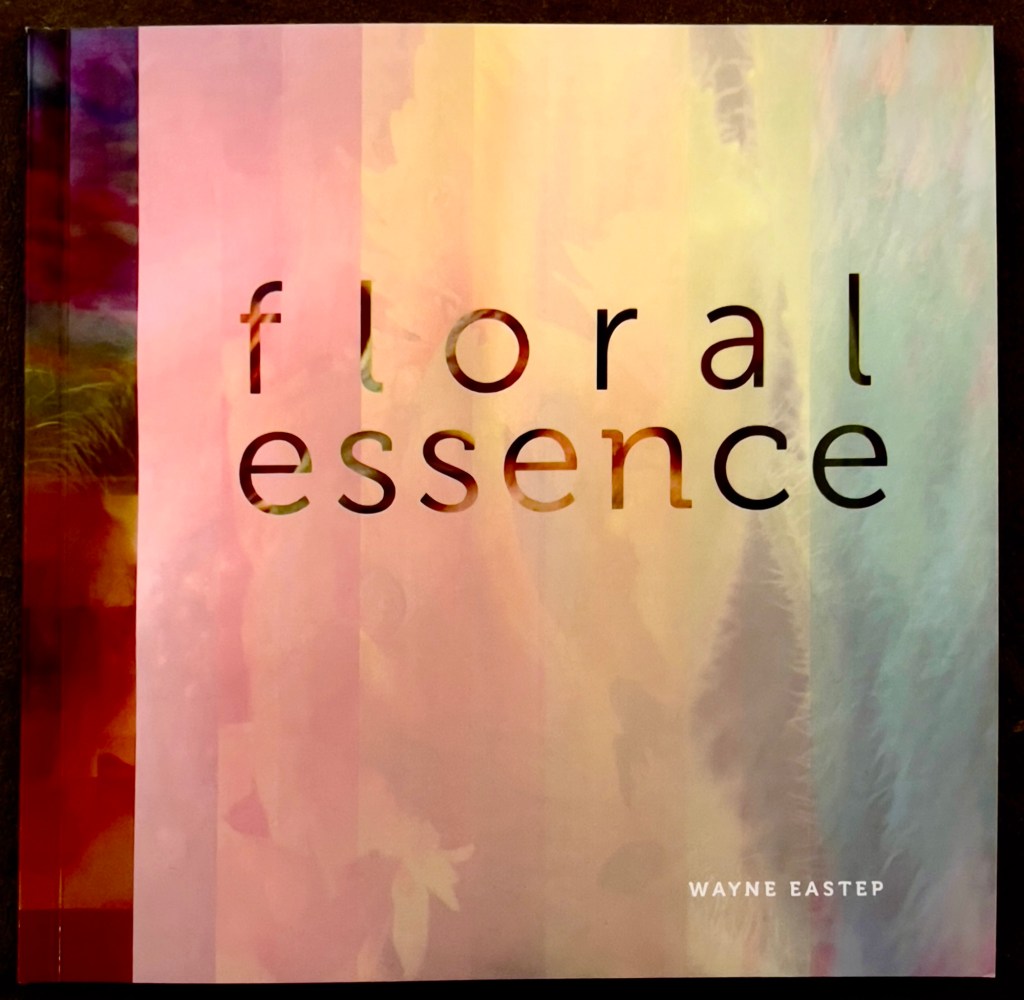
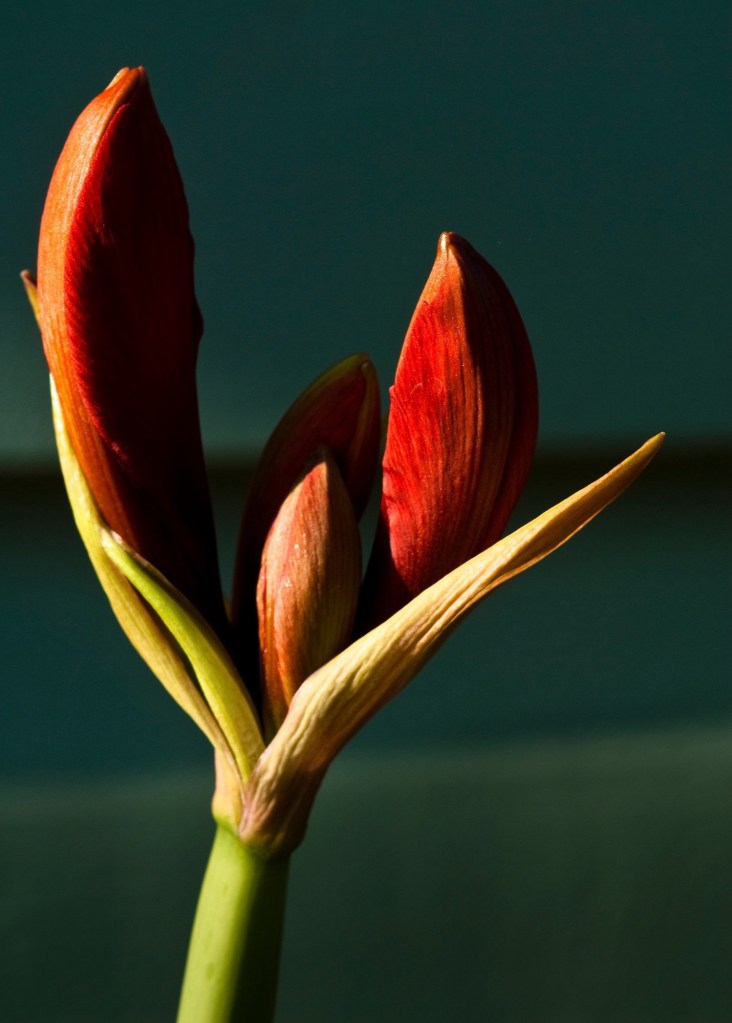
The series “Floral Essence” comes to a finale. A post about the Amaryllis feels like the perfect subject at the right time with which to conclude this series.
As holidays near, wax-dipped Amaryllis bulbs show up in the shops, ready to brighten the gray winter days with color.
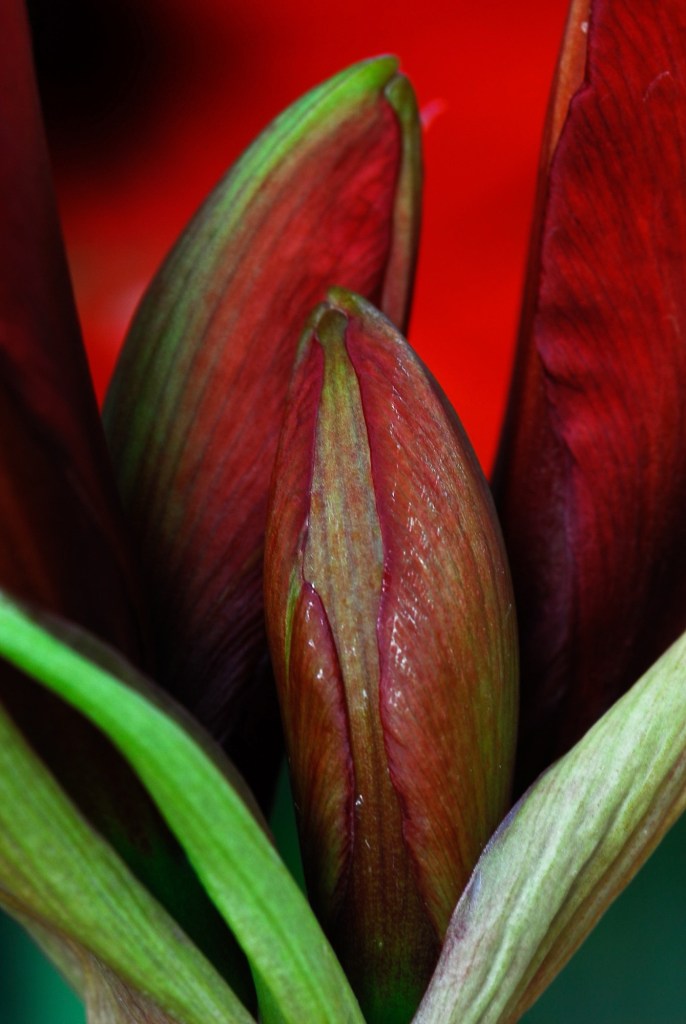
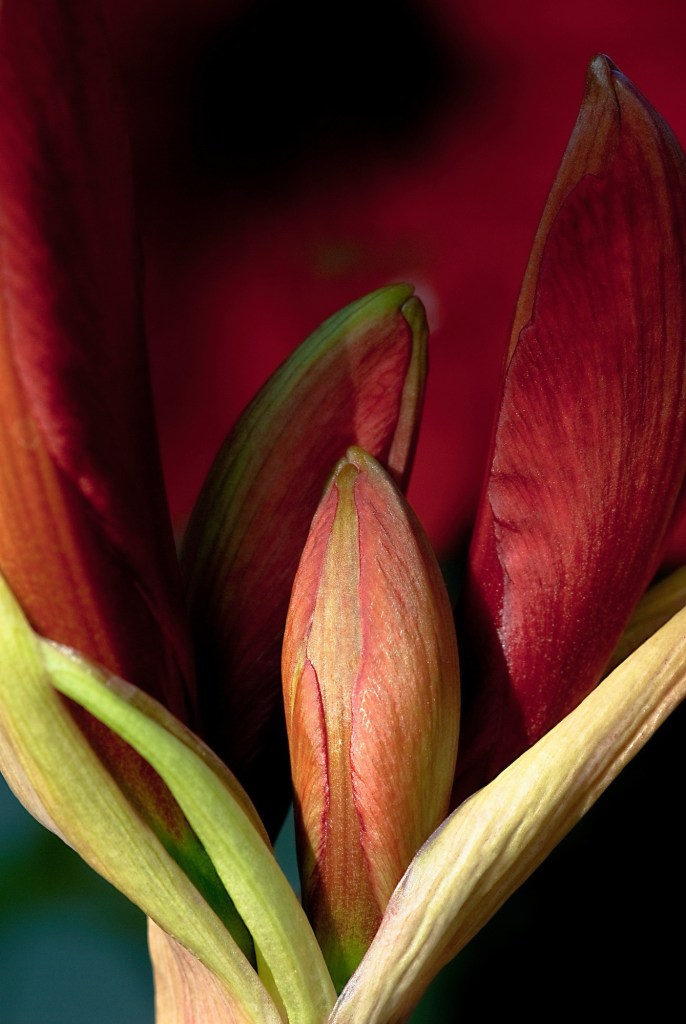
Amaryliss buds
Named from the Greek word for “to sparkle,” it is fitting that the Amaryllis blooms in winter, around Christmas.
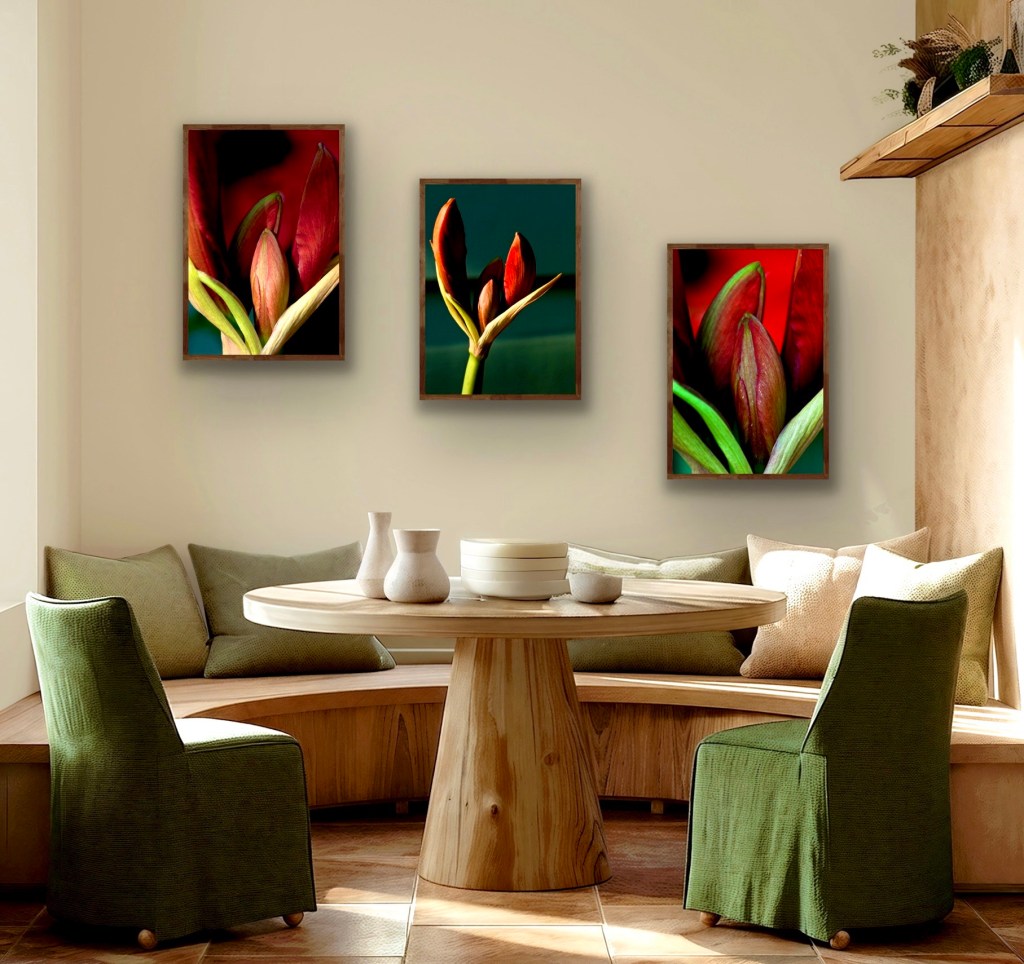
Given their sturdy stems and vertical profile, Amaryllis symbolize strength, pride, and determination. When the flowering phase ends, you can cut the stem and preserve the bulb; it will flower again next year. With proper care, it can live for up to 75 years.
Amaryllis buds
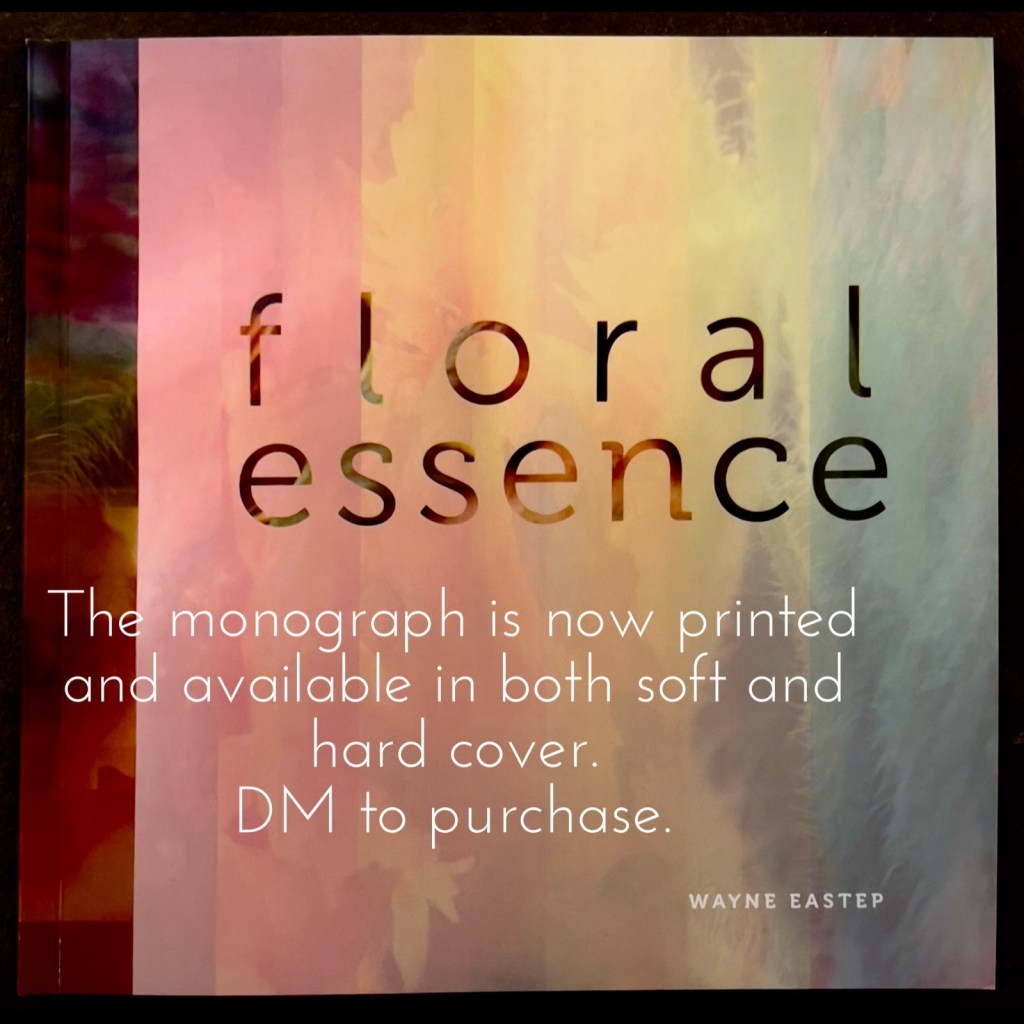
Thank you for following Floral Essence. It has been an inspiring journey through the language of flowers.
An exceptional monograph is on the way, stay tuned!
Back to work on a new series about a different subject.
Feather grasses growing on the Steppes of Kazakhstan
Feather Grasses, like these near Sergeyevka, Kazakhstan, have grown for millennia in the thin topsoil of the Steppes; some varieties are now scarce or endangered species. The Steppes were covered in this ideal pasturage prior to the Soviets’ misguided Virgin Land Reclamation policy of the 1950s, under which nearly 25 million hectares (approximately 62 million acres) of the northern Steppes were plowed to plant wheat.
The feather grasses provide nutrition for horses, cattle, sheep and goats, ensuring a sustainable food source for nomads.
The sea of grasses move in waves with the wind, nurturing a soul that’s living in relationship with nature.
Practicing photography can be much like practicing meditation. Both invite us to slow down and truly see. They heighten our awareness, sharpen our attention, and help us become more attuned to the quiet details that often pass unnoticed. This image is an expression of that mindful practice.
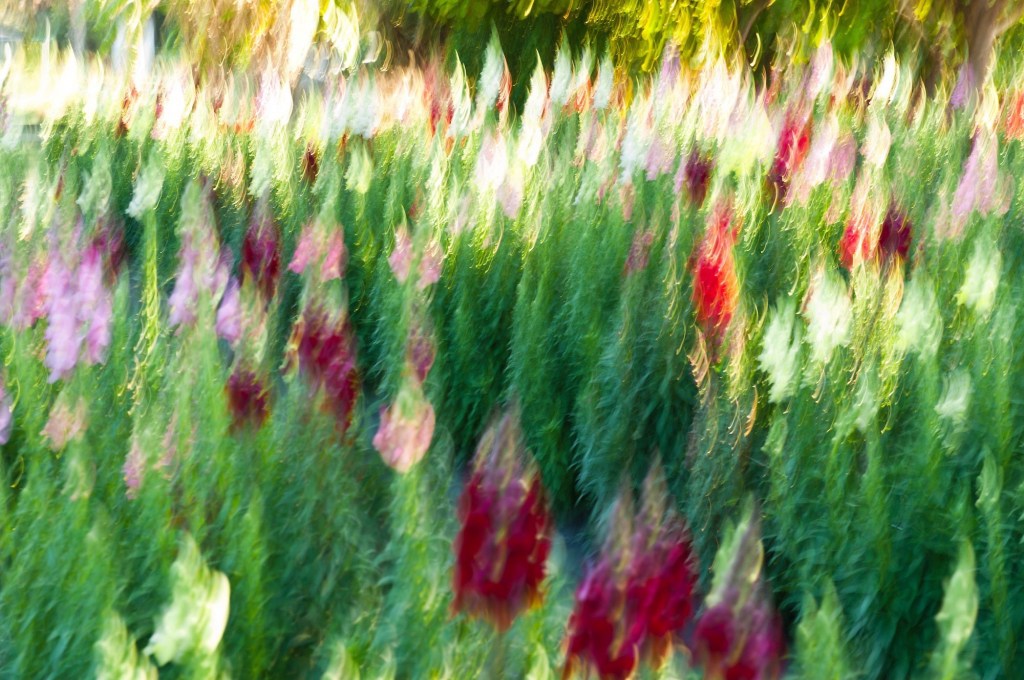
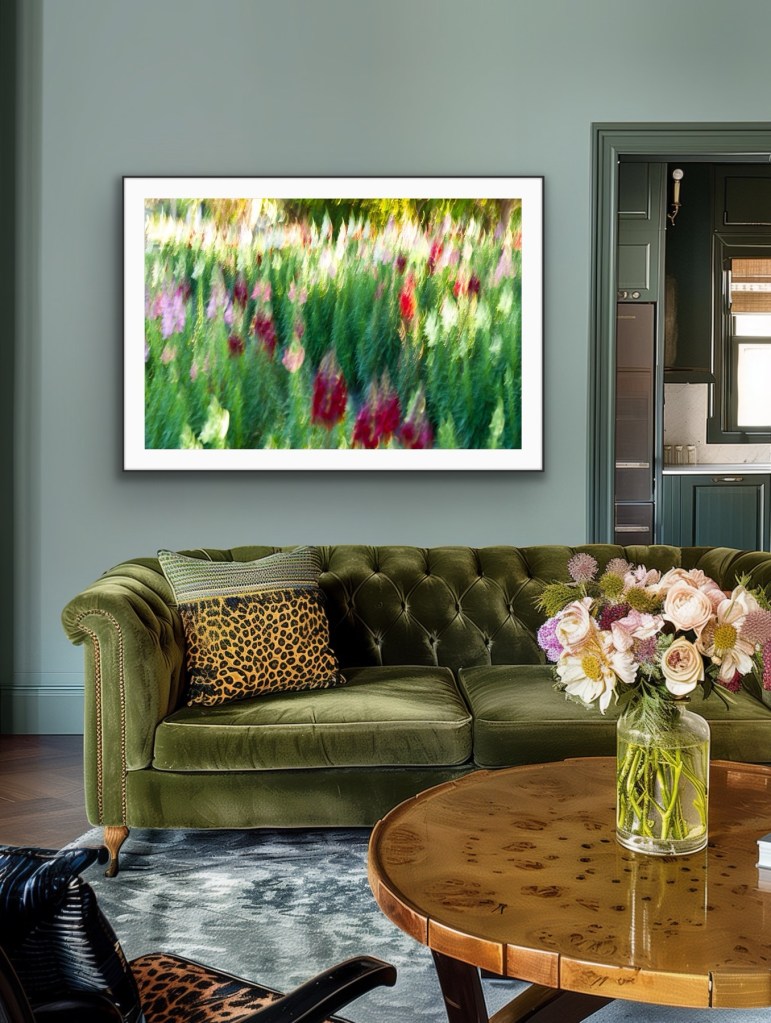
While driving near Sarasota, a field of snapdragons caught my eye—just a glimpse of color in my peripheral vision. I pulled over, spoke with the property owner, and was welcomed to wander the field with my camera.
As I began photographing, a gentle wind set the flowers in motion. In that moment, I saw not simply a field of snapdragons but blossoms dancing in the wind. I worked to capture the movement of the wind through the petals—more than a still image, a sense of motion and energy.
This photograph is the outcome of years of patient observation and practice. It also reflects what happens when we allow the mind’s eye to see beyond what is in front of us—when imagination meets perception, and feeling becomes form.
This series of images is part of a larger collection called Floral Essence. I’ll share more about that in the near future.
To see this image and more flower pictures, visit the gallery Flowers at: www.wayneeastep.com
Mother’s Day was approaching, and I found myself thinking about my mother-in-law. I called the wholesale florist I was working with and ordered two dozen white roses. When I brought them home and arranged them in a vase, one rose stood out—it appeared flawless.
A flawless white rose bud.
I gently pulled it from the bunch and studied it closely. Something about the purity of its white petals and their perfect symmetry captivated me. I took it to the studio and spent hours lighting and studying that single bud. The exercise became a kind of meditation.
Since then, I’ve often reflected on the blessing of creating art—how it can draw us into a deeper relationship with the simple act of seeing.
Reflecting on beauty and the creative process reminds me of Rumi’s poem.
A flawless white rose bud.
“What was said to the rose that made it open was said to me here in my chest.
What was told the cypress that made it strong and straight,
What was whispered the jasmine so it is what it is,
whatever made sugarcane sweet,
whatever was said to the inhabitants of the town of Chigil in Turkestan that makes them so handsome,
whatever lets the pomegranate flower blush like a human face,
that is being said to me now. I blush.
Whatever put eloquence in language, that’s happening here.
The great warehouse doors open; I fill with gratitude,
chewing a piece of sugarcane,
in love with the one to whom every ‘that’ belongs.”
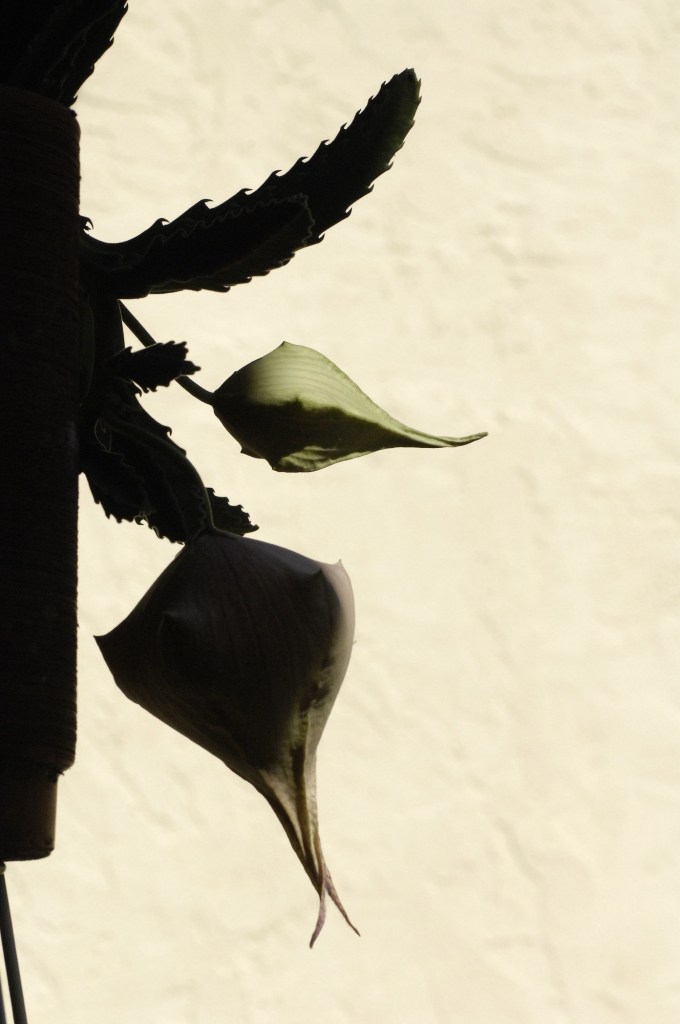
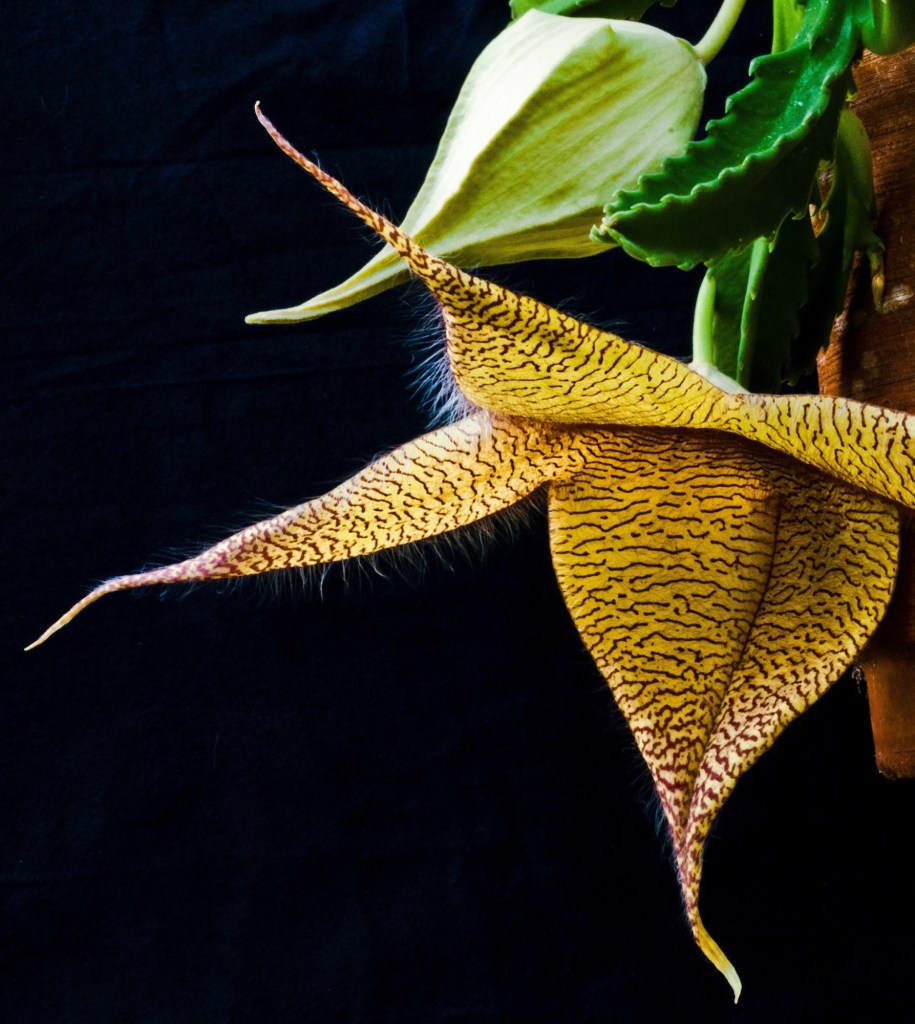
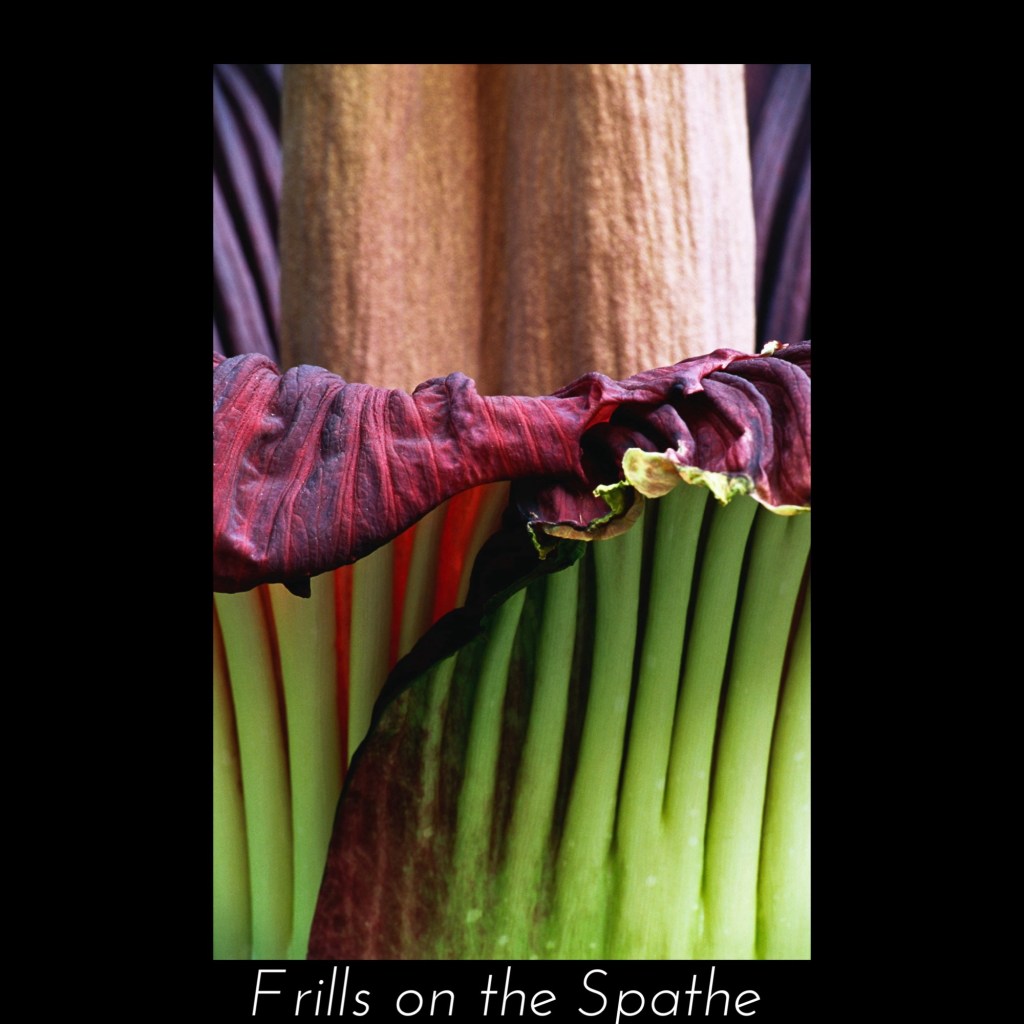
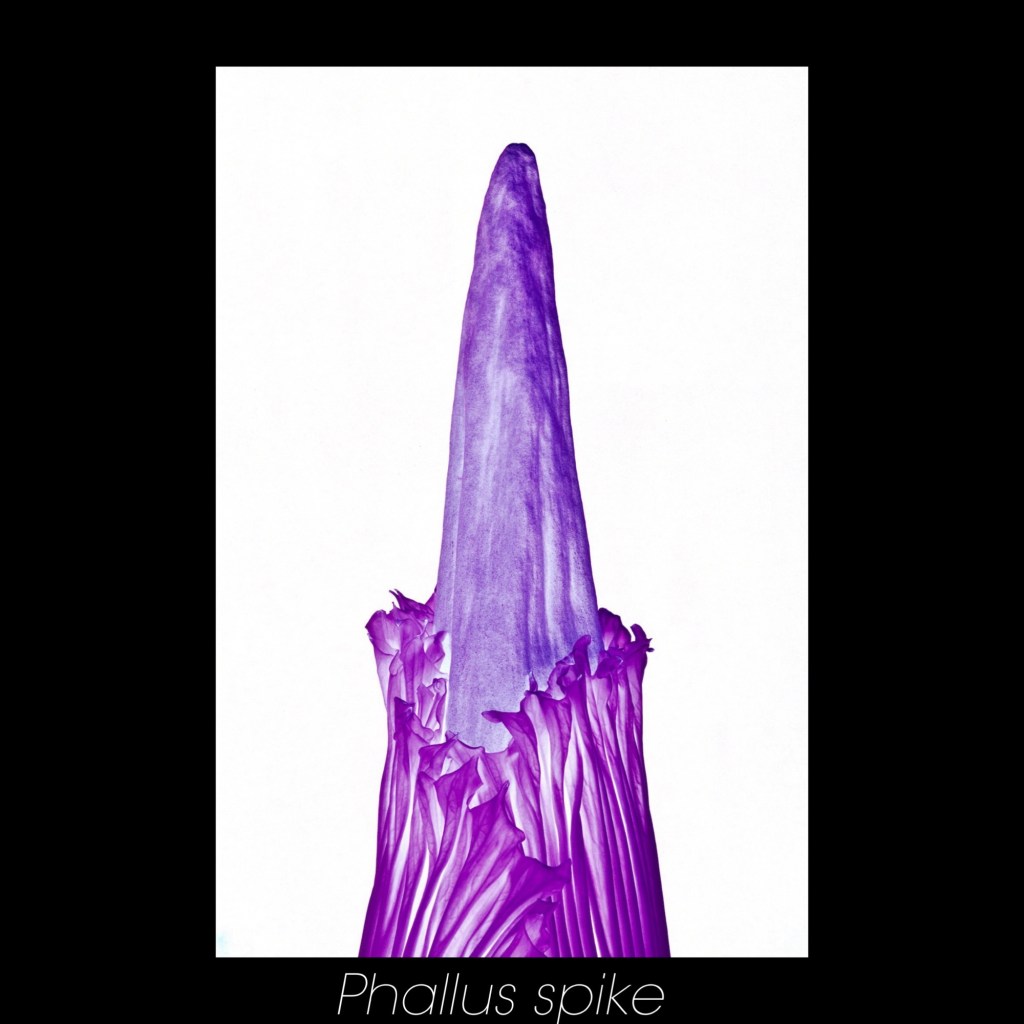
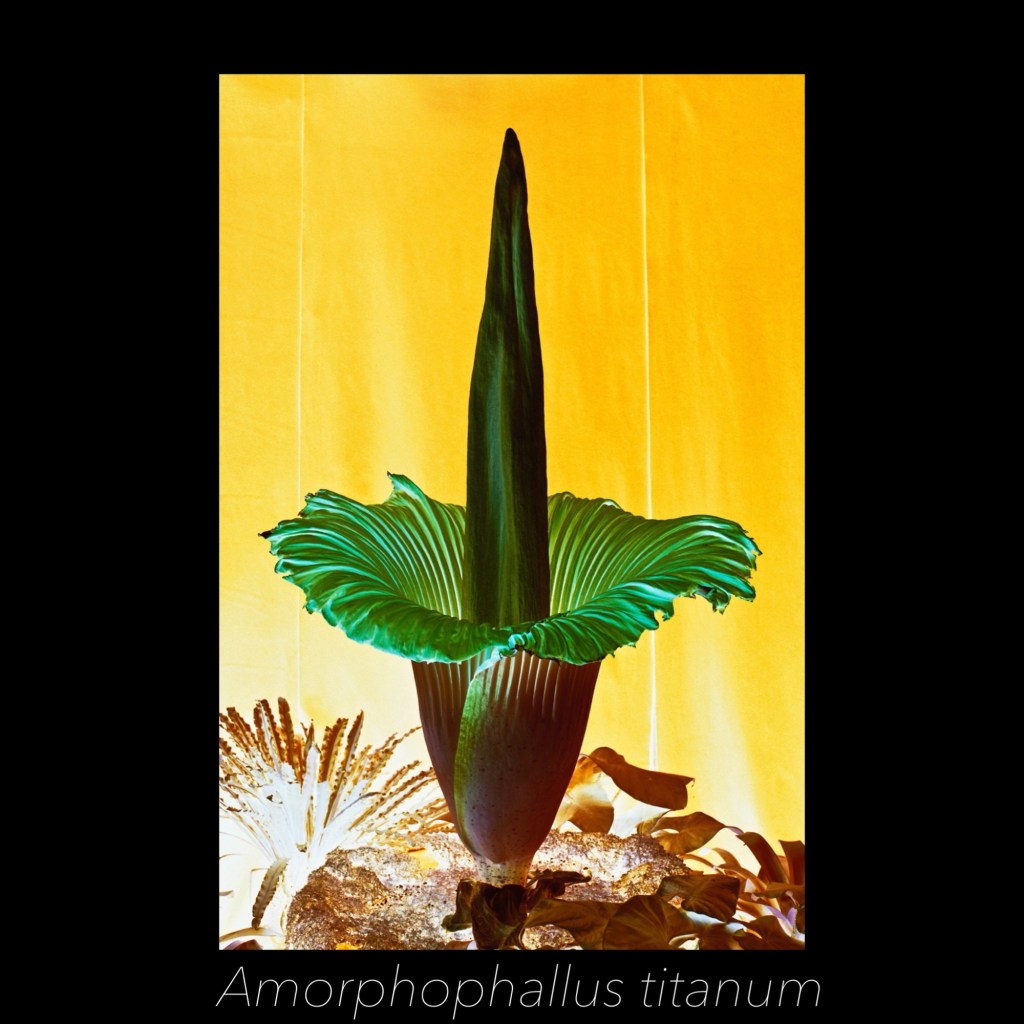
The Amorphophallus titanum is the largest unbranched inflorescence flower in the world. The plant grows to between 6 and 12 feet tall. With a name and size like that it’s no wonder it makes the news when it blooms.
Phallus Spike
From bulb to bloom can take up to ten years. After that long wait the bloom only lasts for about 24 to 48 hours. The plant originates in Sumatra in Indonesia.
Film cross-processed | Amorphallus titanum
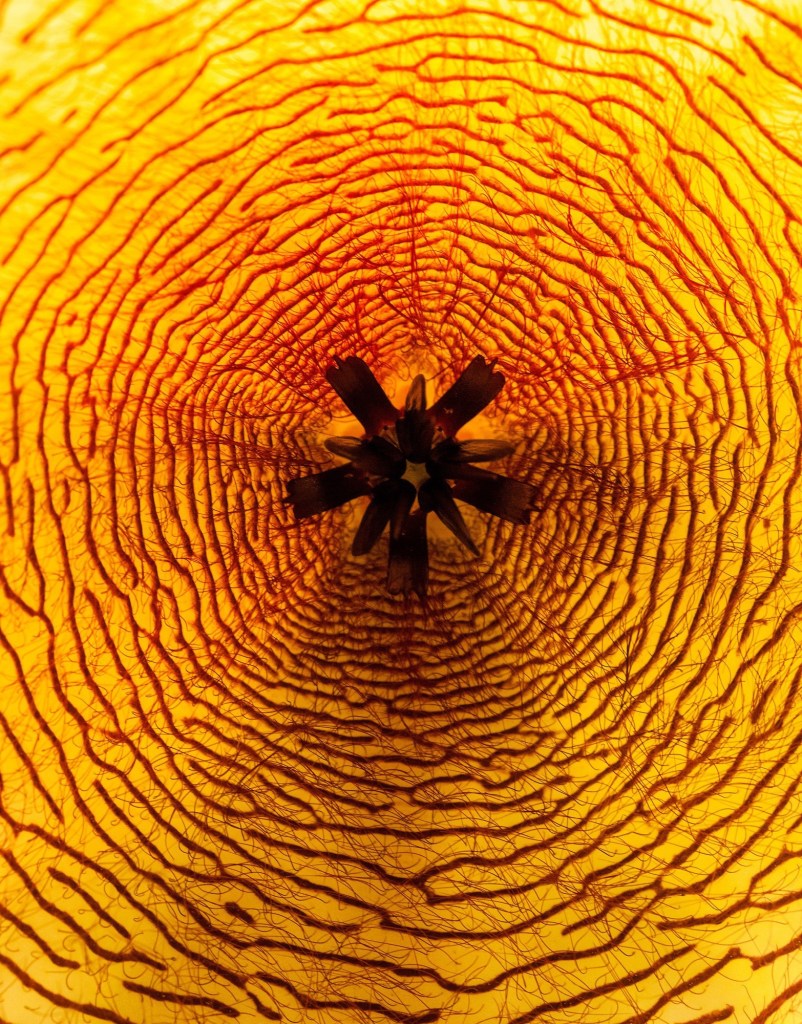
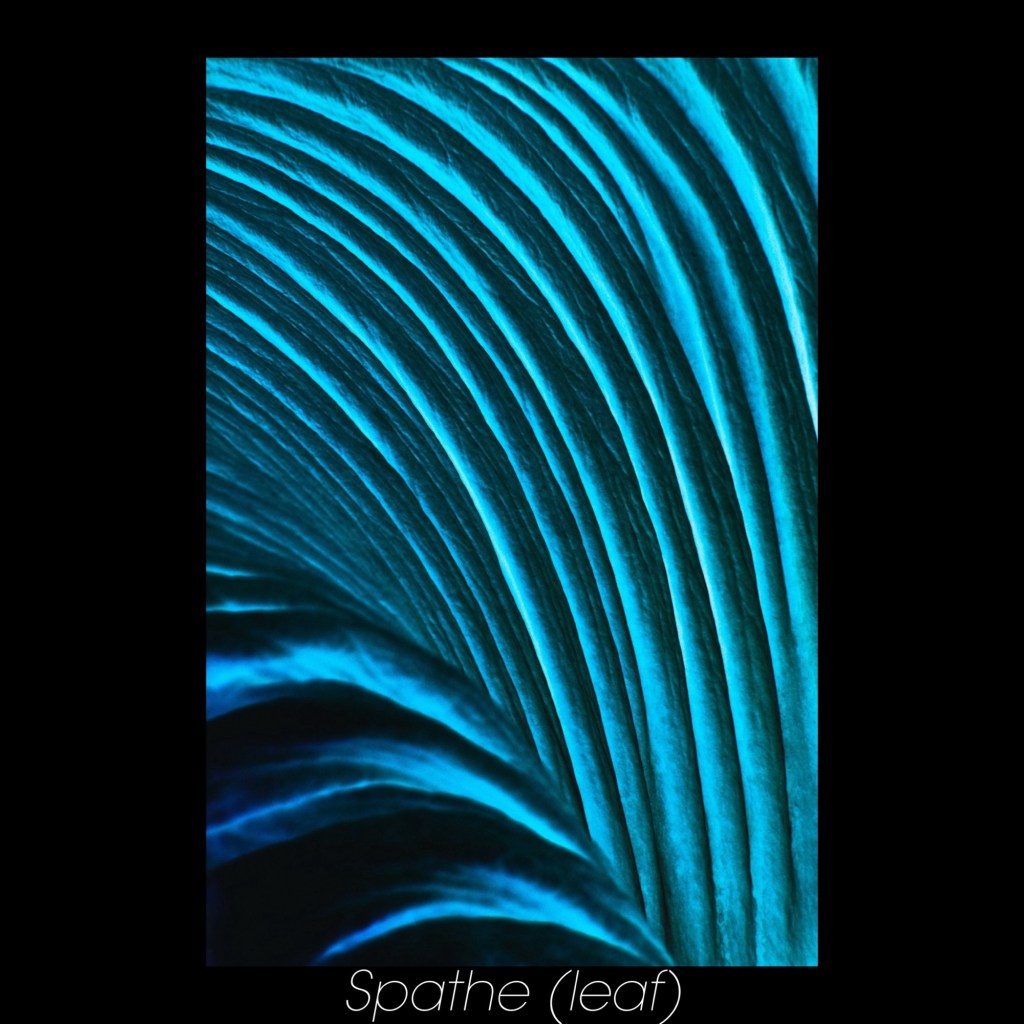
Because of this plants unusual resume I thought how can I make an image that suggests its dramatic presence. I settled on cross-processing some of the images to evoke the energy of this amazing plant. Cross-processing is when you use positive film and process it in negative chemistry. Doing this you never know what you’ll get.
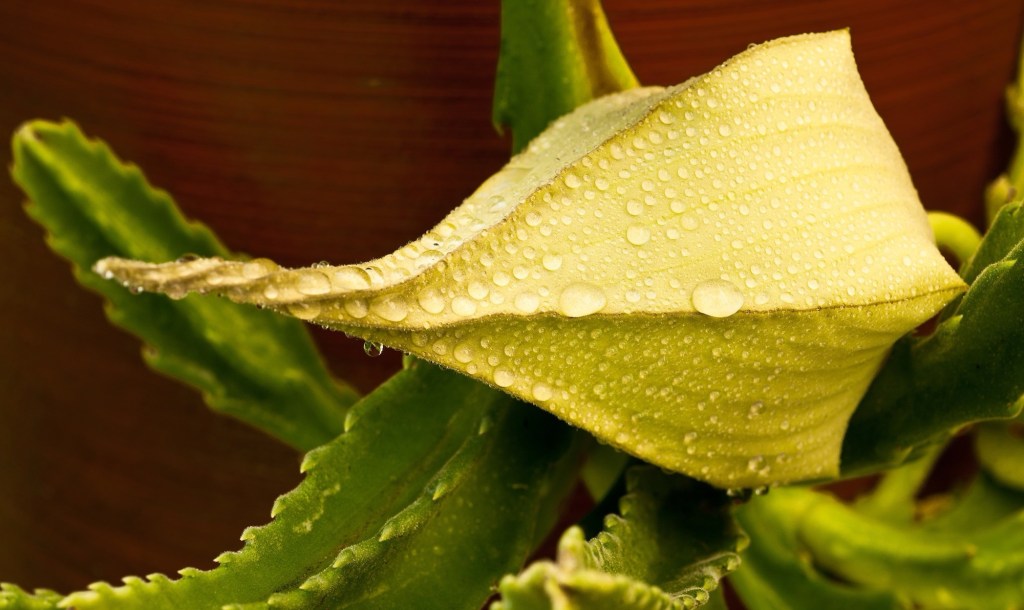
Spathe (leaf) Amorphophallus titanum. Film image
This series of images is part of a larger collection called Floral Essence. I’ll share more about that in the near future.
To see these images and more flower pictures visit the gallery Flowers at www.wayneeastep.com
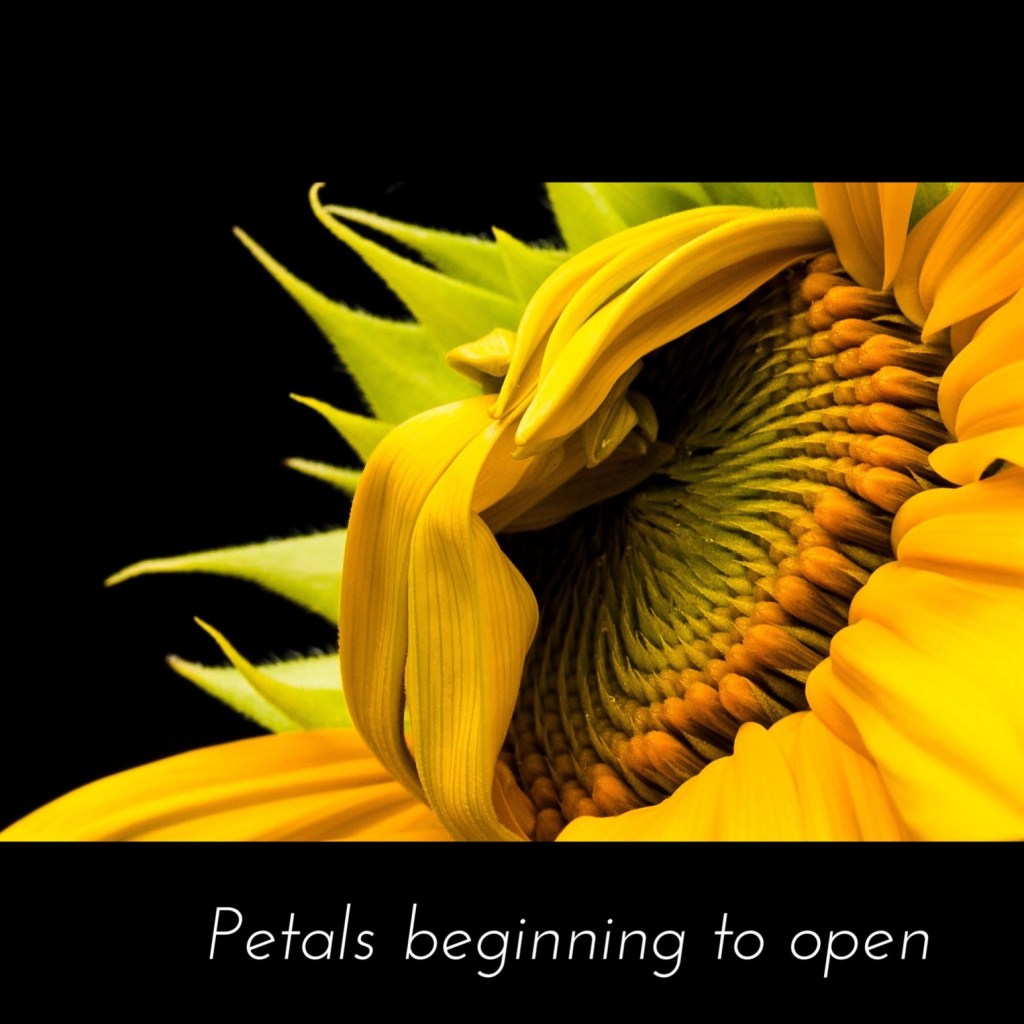
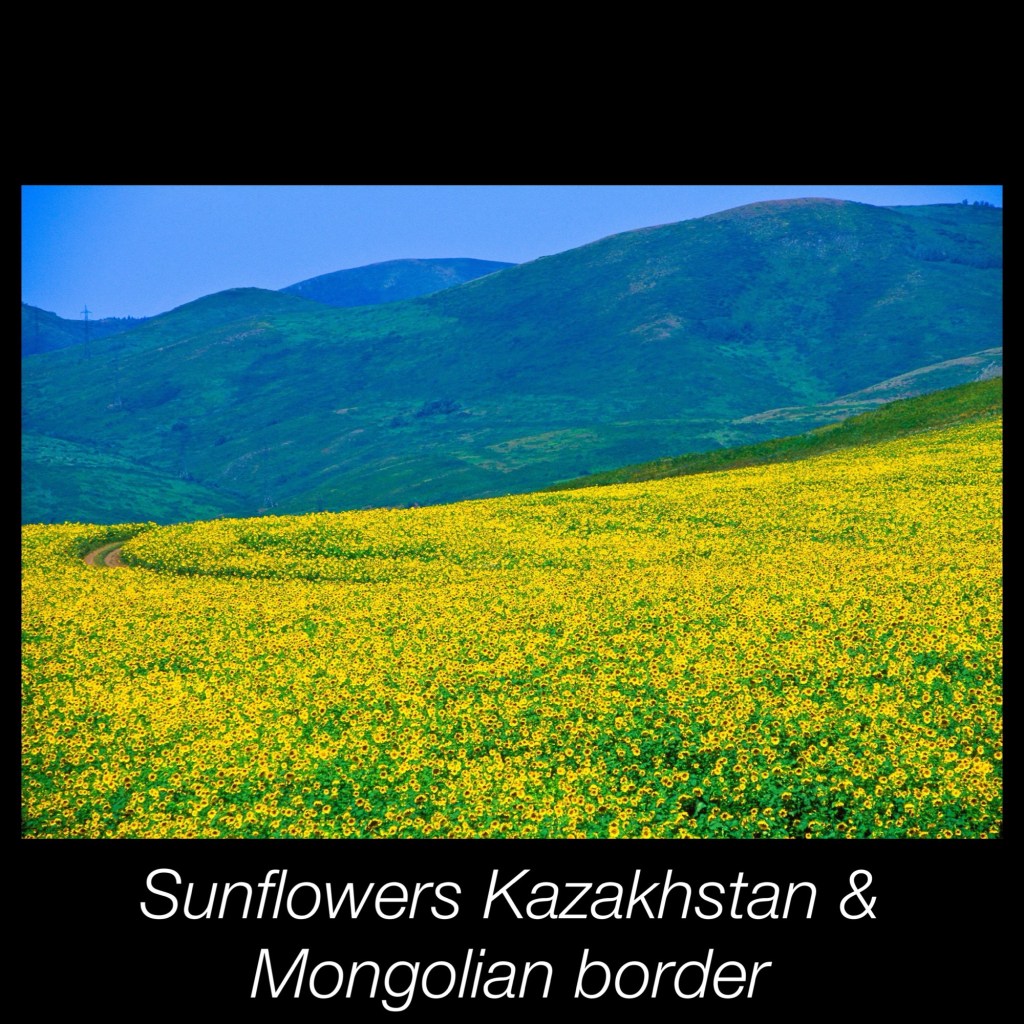
As we were driving along the border of Kazakhstan toward Mongolia, we crested a hill. The field in front of us, all the way to the horizon, was filled with sunflowers as far as the eye could see. I had our fixer pull over. I got out of the jeep, went into the field, and made a series of images of the golden carpet of sunflowers in full bloom. It knocked me out!
Over the next couple of years, the magnificence of those sunflowers remained alive in my memory.
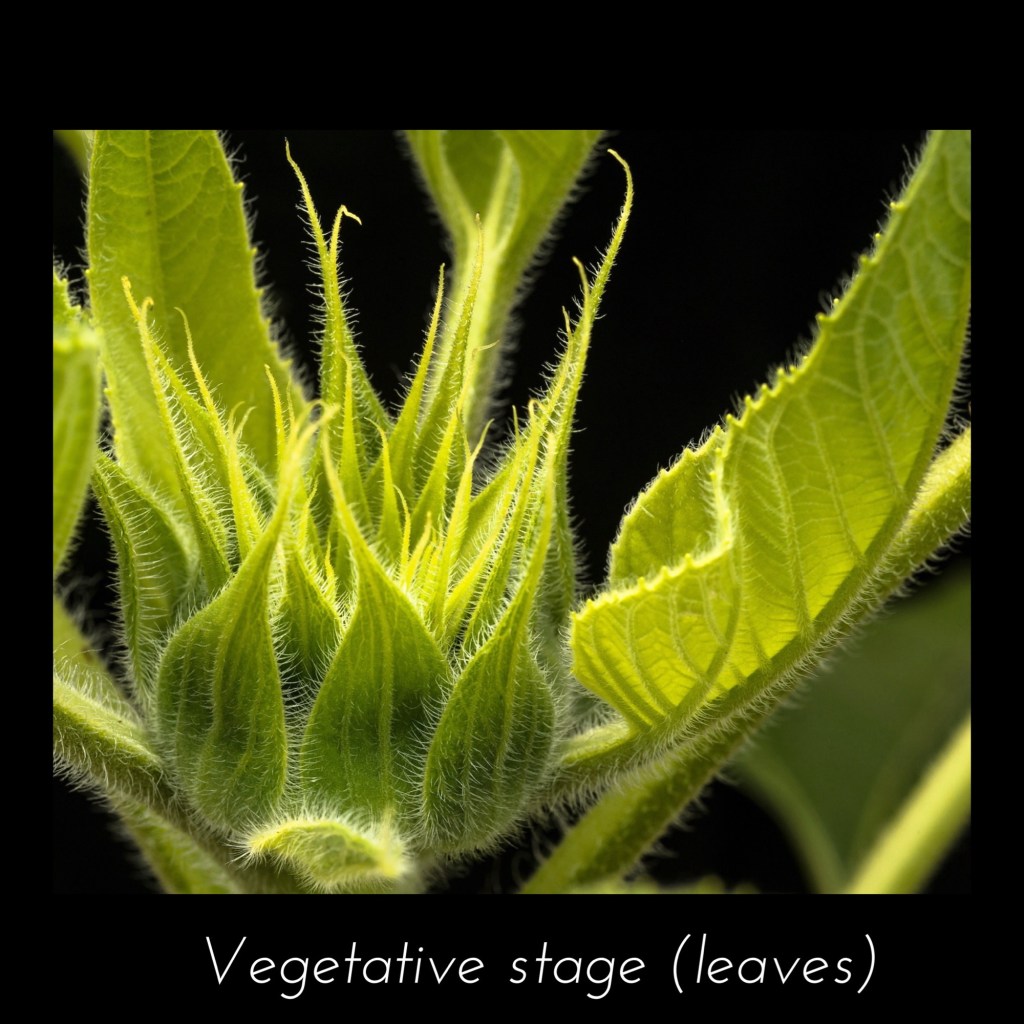
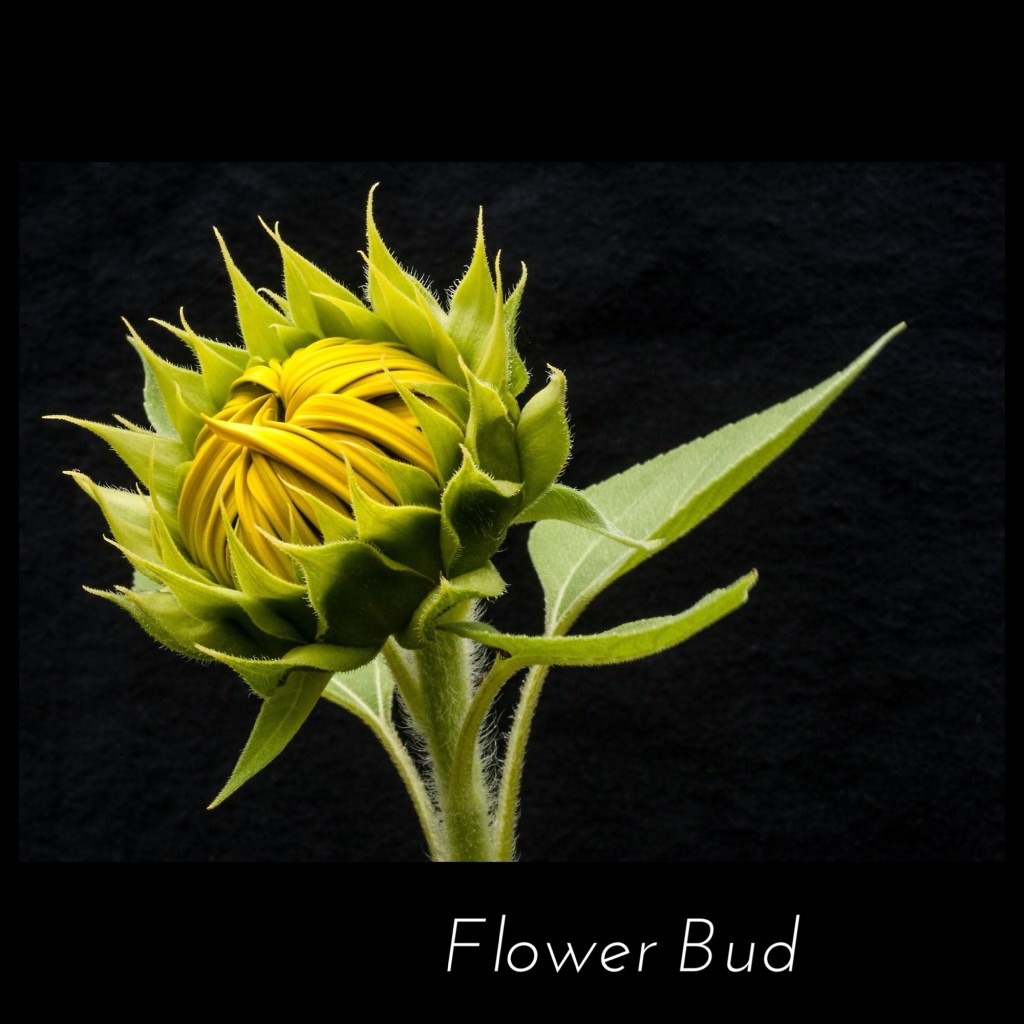
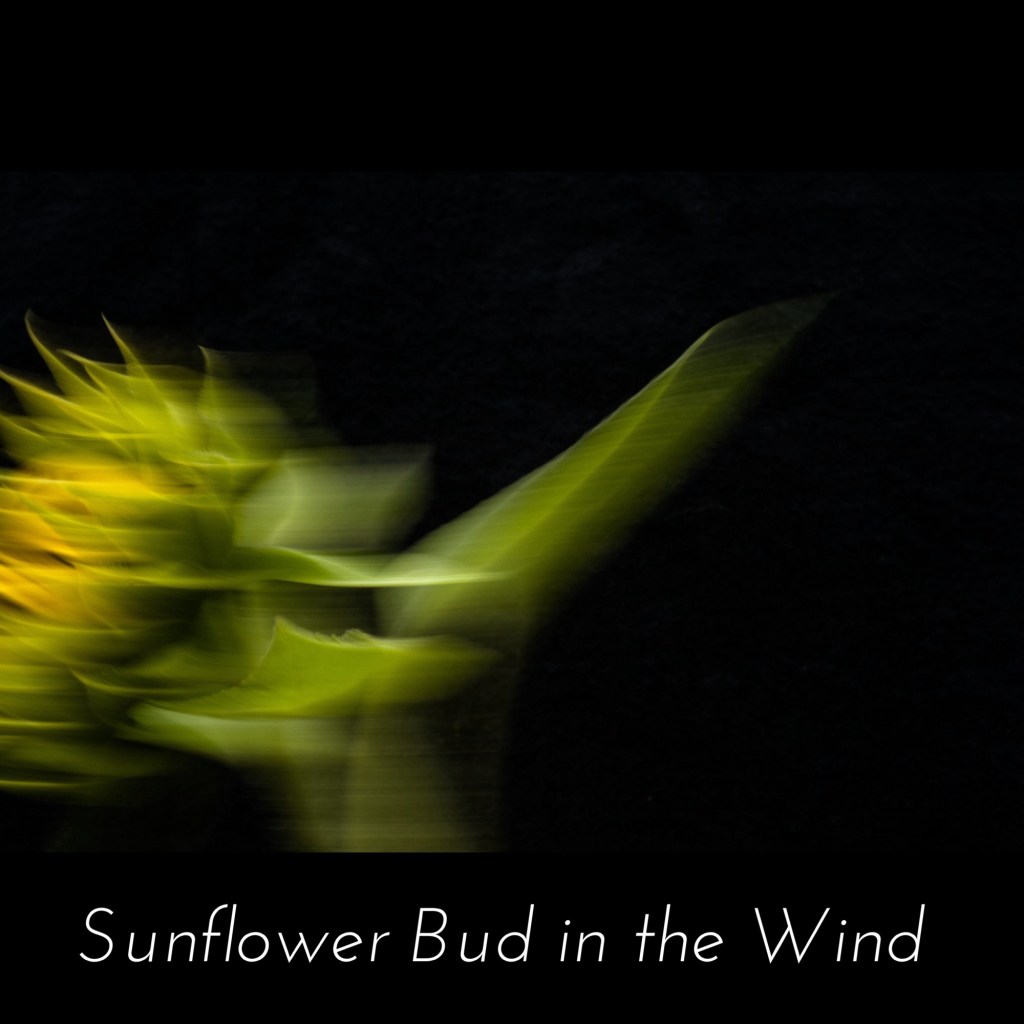
I wanted to learn more about sunflowers. My curiosity was not just about the beauty of their bright blossoms, but what they were all about. I ordered mammoth sunflower seeds, planted the seeds in a circle in my yard, waited, and watched. Over three months, I photographed the stages of growth from seedlings to decline. What I observed increased my appreciation for their beauty but raised even more questions.
Why did every flower develop a similar spiral pattern? Why were the seeds packed in so tightly and at an angle? My research revealed many connections between nature, mathematics, philosophy, and the rich history of intellectual inquiry — more on that in a later post.
The short-form answer to my questions is that the spiral pattern and the angle of the seeds in the sunflower represent the most efficient way to pack seeds in space and ensure reproductive success. The spirals are called “golden spirals,” reflecting Fibonacci numbers. The elegant angle of the seeds to each other aligns with the “golden angle’’. The pattern of the seeds in the sunflower represents what, in mathematics and aesthetics, can be called beauty — more on that in a future post. Leonardo Da Vinci described this phenomenon, which can also be seen in hurricanes, galaxies, pinecones, and pineapples, as the “Divine Proportions”.
One day, when the flowers were reaching maturity, I watched a pair of wild Brazilian Green Parrots as they fed on the seeds. The two parrots took up positions next to each other on two sunflowers. While one ate, the other stood guard, watching for any threat. After a while, they switched roles. The one guarding then ate, and the other provided protection.
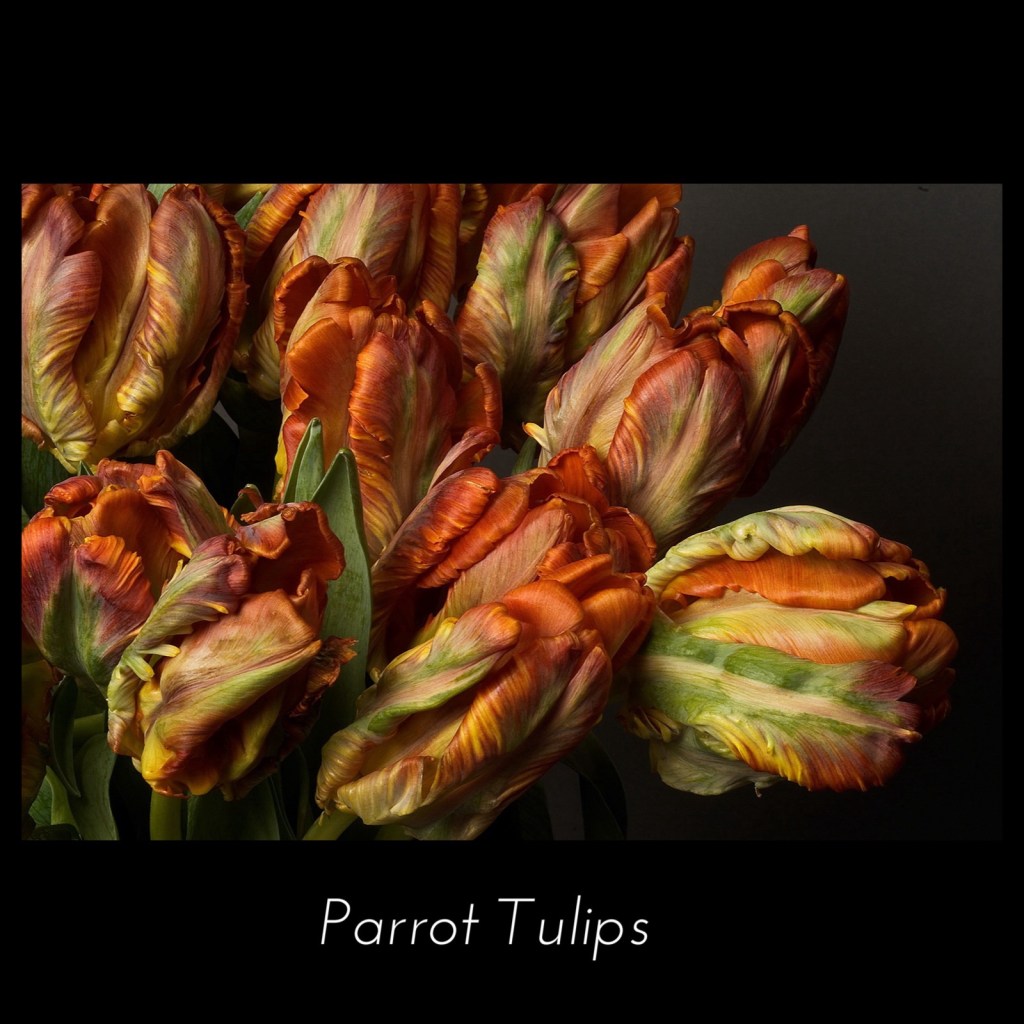
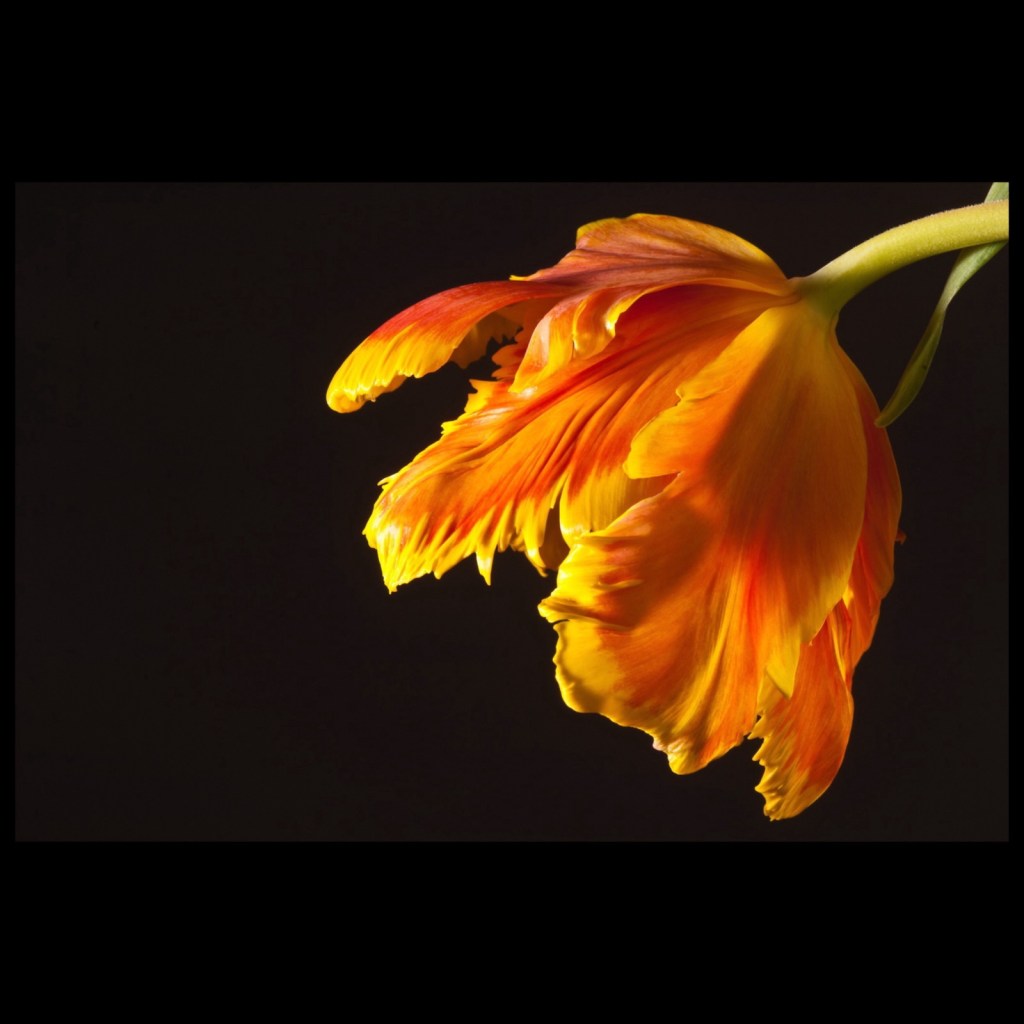
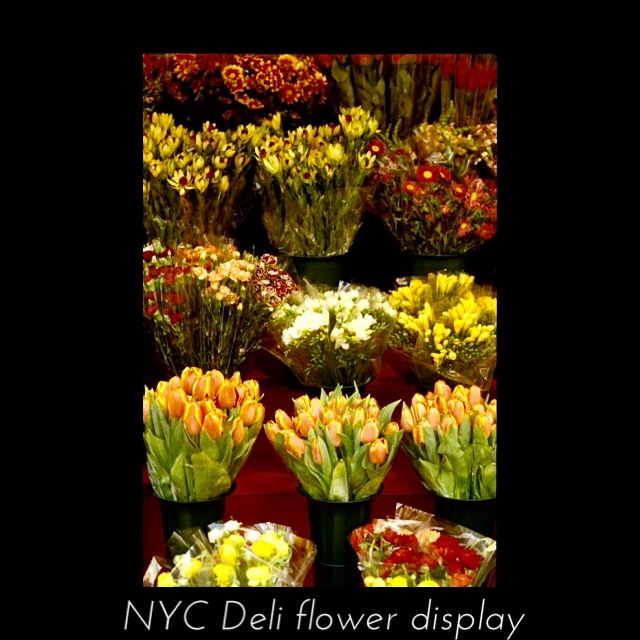
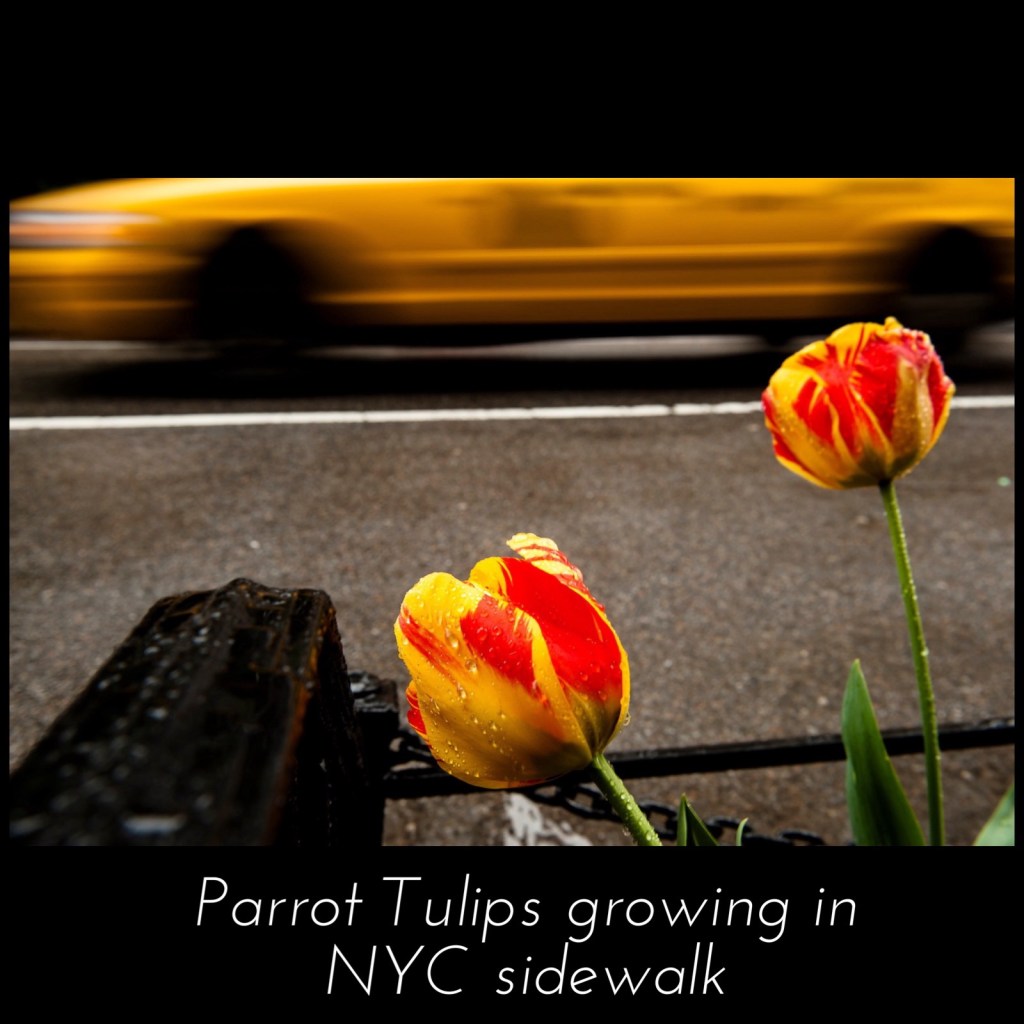
Many years ago I was walking past a small grocery store on Madison Avenue in New York City. In front of the store were tall buckets filled with flowers. One collection of flowers caught my attention, they were parrot tulips. I think it was the first time I had seen this type of tulip. It was love at first sight.
That moment was etched in my memory. Many years later that experience triggered an idea. I made arrangements with a wholesale florist to import three dozen parrot tulips each week. For a couple of months I would photograph the parrot tulips in my studio. The tulips were so varied and beautiful. I kept seeing new variations in the design and ended up creating a collection of images of the parrot tulips.
Like many people I had an appreciation for flowers. Now the feeling has turned into a passion. I keep a bouquet of fresh cut flowers in our home every week and continue to create images of them
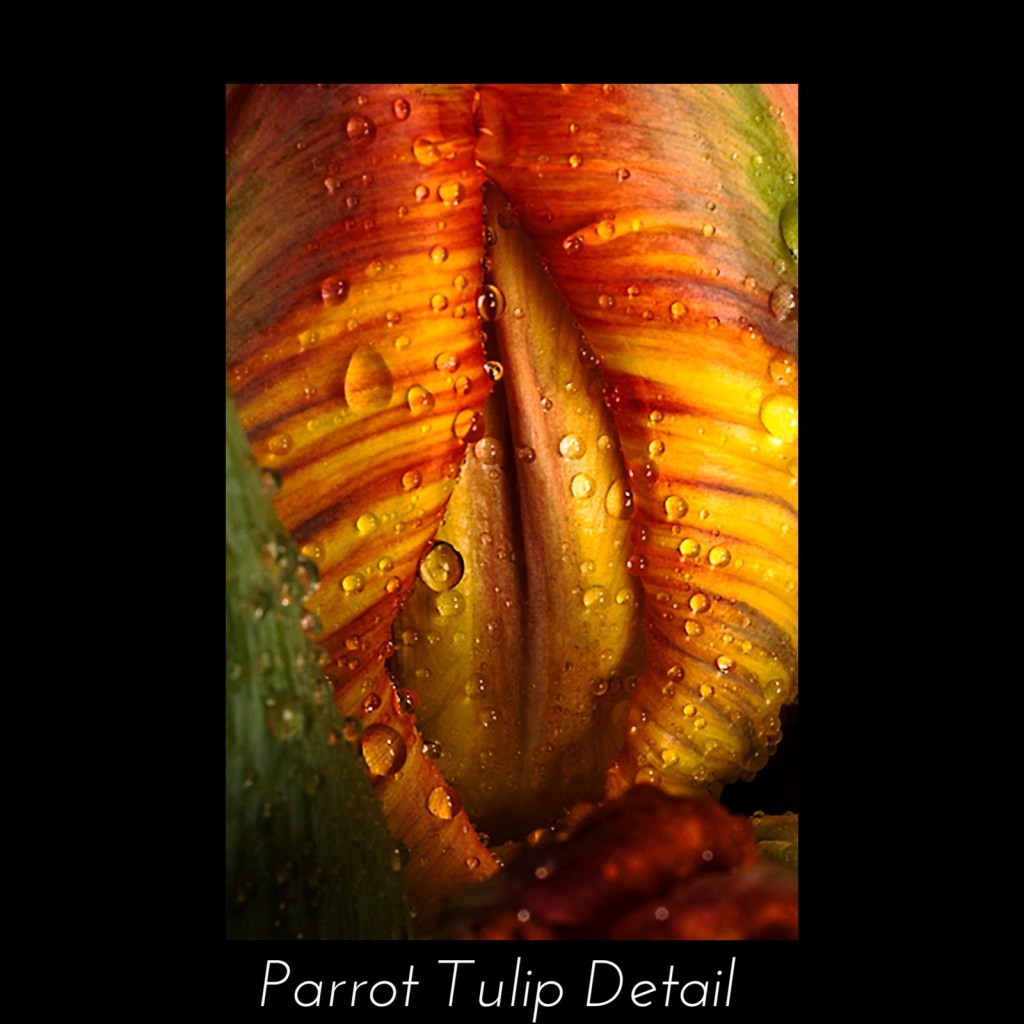
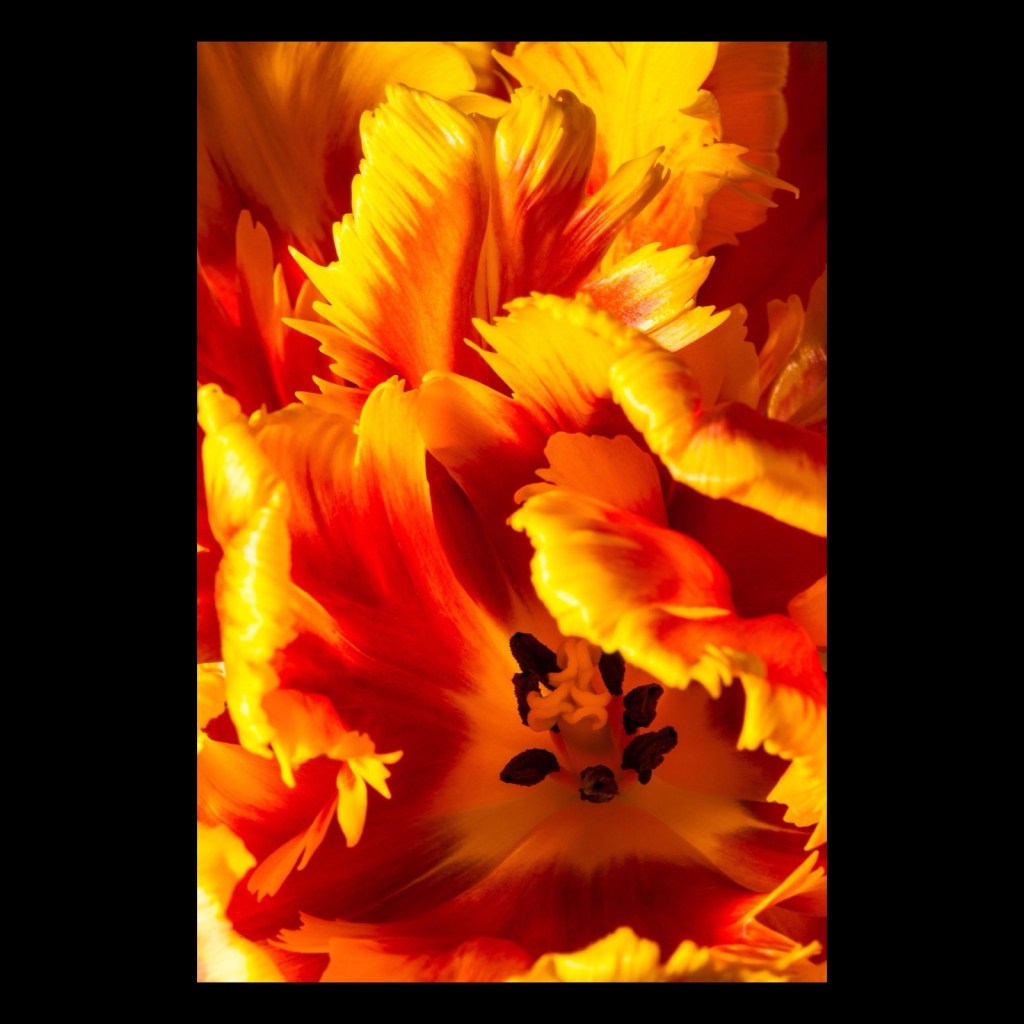
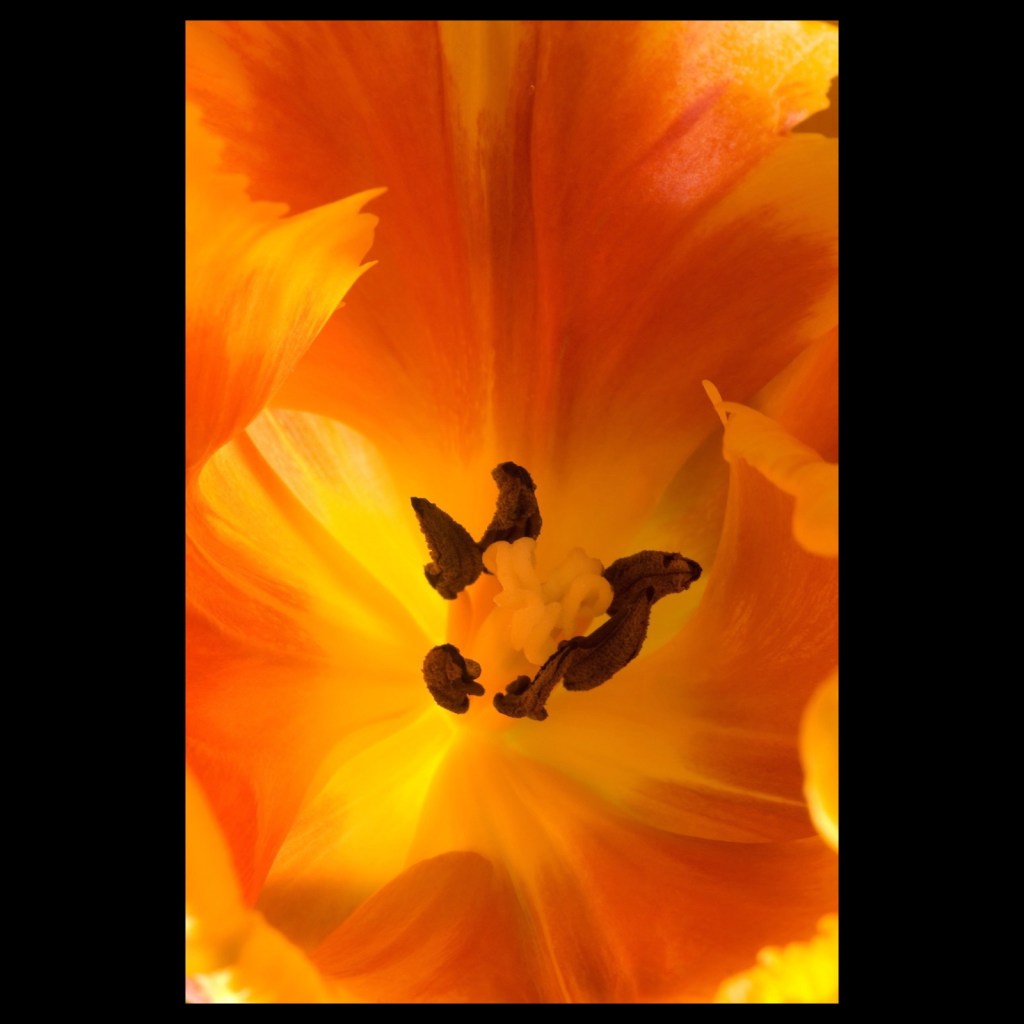
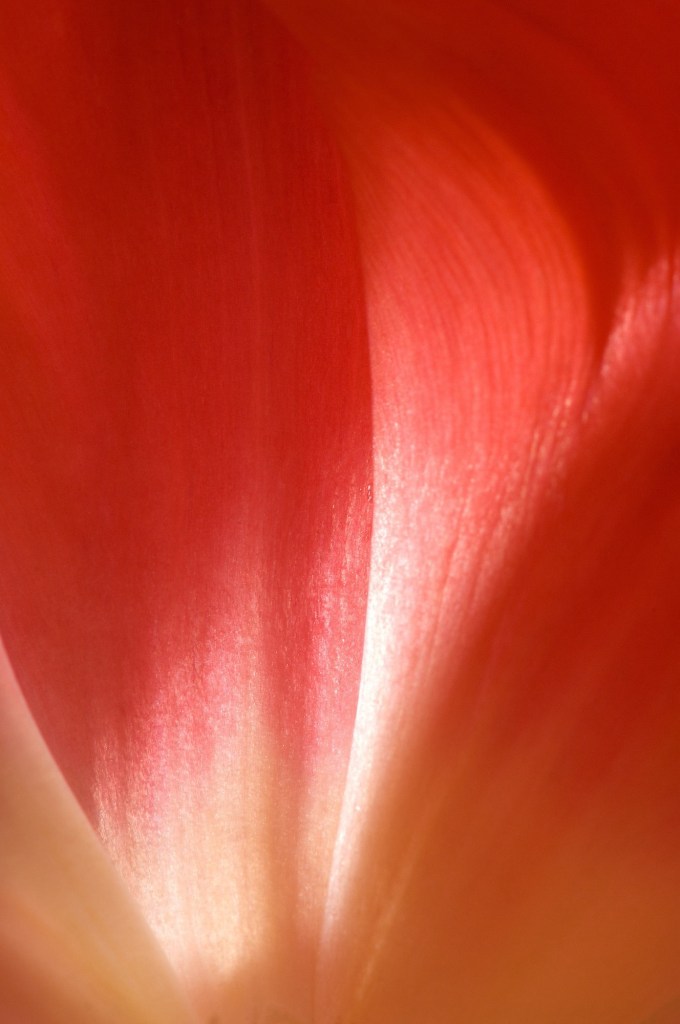
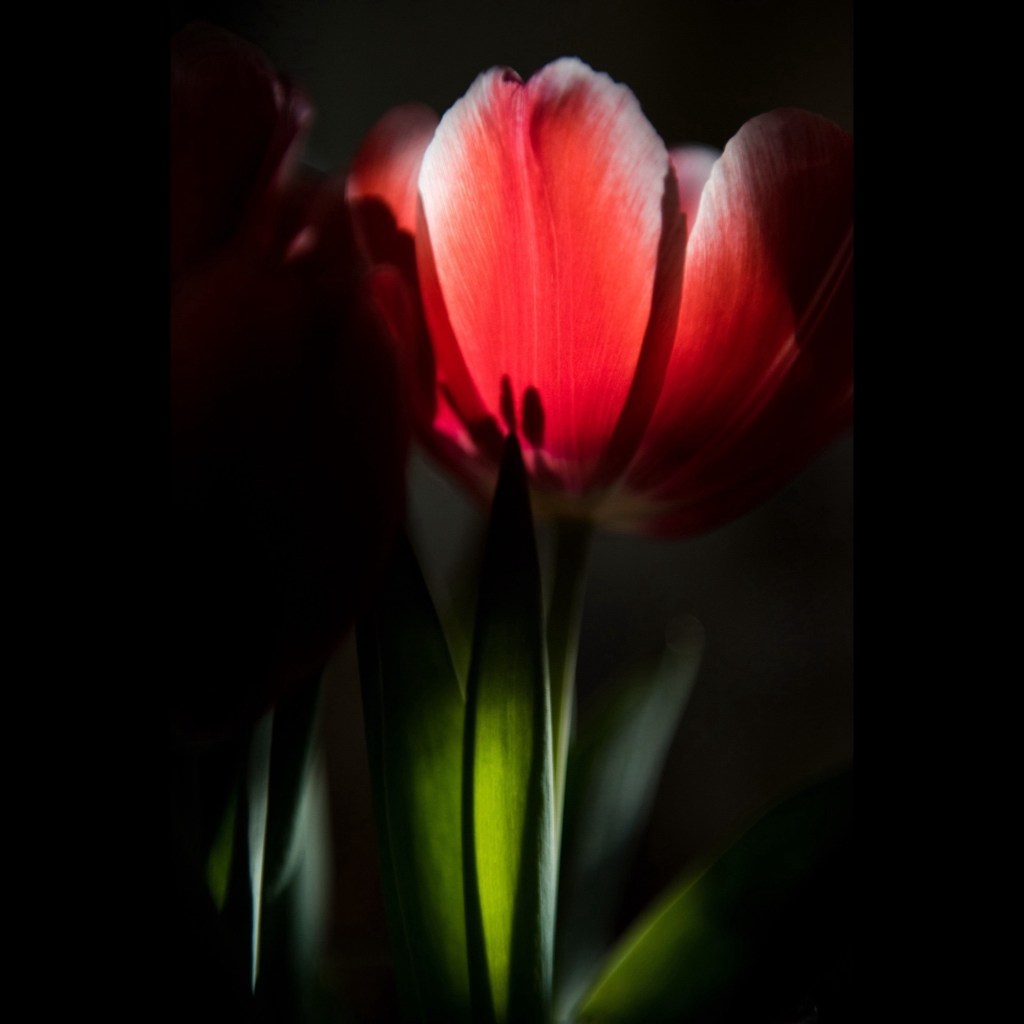
Close up of parrot tulip petalsClose up inside parrot tulip blossom
I’ve curated a series of the flower images and will be sharing them in the coming weeks.
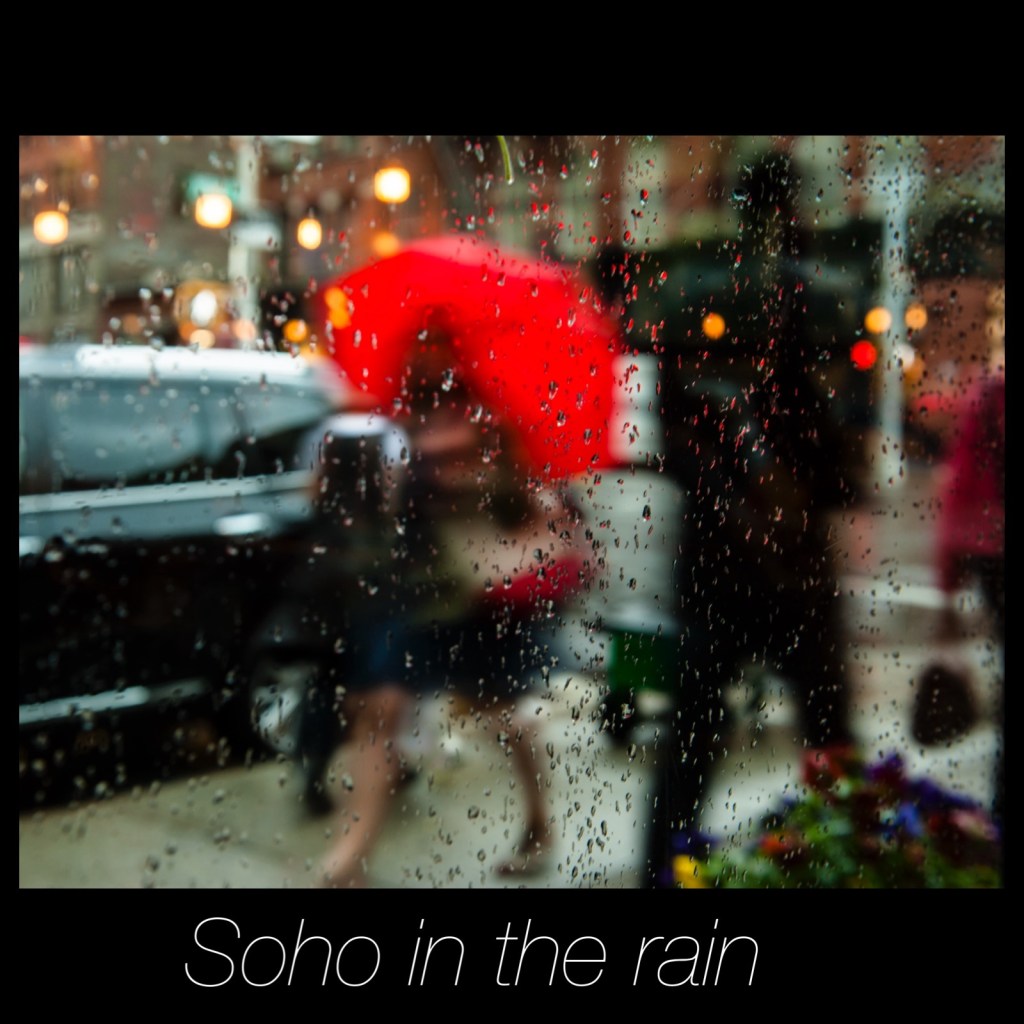
Like many children, I loved to go out in the rain and splash in puddles on the street.
Rain, like a cloud, is easily taken for granted. Water is integral to our existence. When we pause and observe, we have the chance to get in touch with something elemental in our lives.
Hurricane Milton, Sarasota, Florida
Different types of rain elicit a wide range of feelings. There is gentle, poignant melancholy in a light, mid-afternoon rain. It feels safe – even reassuring. Rain is a symbol of renewal and rebirth. When rain comes in excess it can be terrifying, bringing the potential for destruction. We use our technology to build roads, canals, bridges, levees, and dams – assuming we can control nature. Then a devastating storm comes and we are painfully reminded of our limitations and the need to live in ways that are in harmony with nature, respecting its power.
I can remember a number of times when I was about to leave a cafe in New York City and a thunderstorm delivered a torrent of rain, giving me the excuse to stay put, have another cup of coffee, and share more time with a friend.
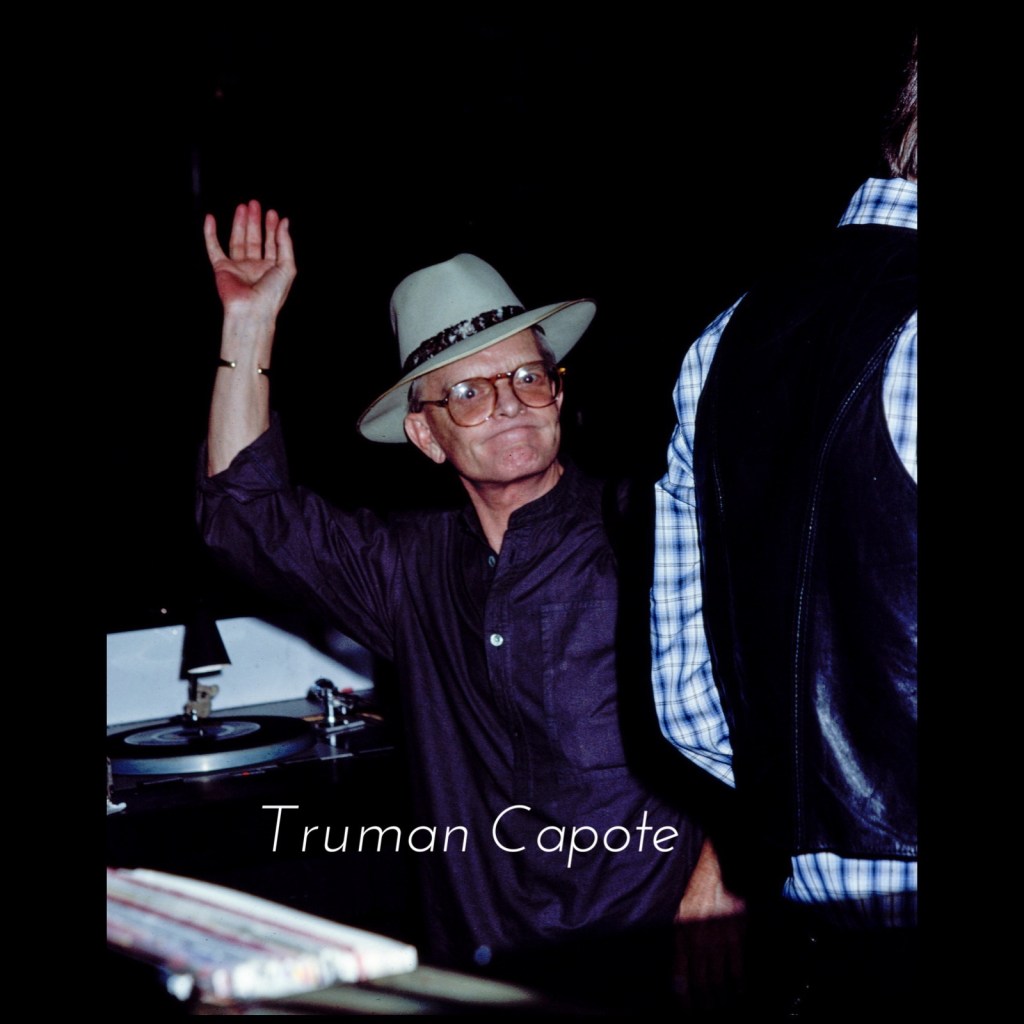
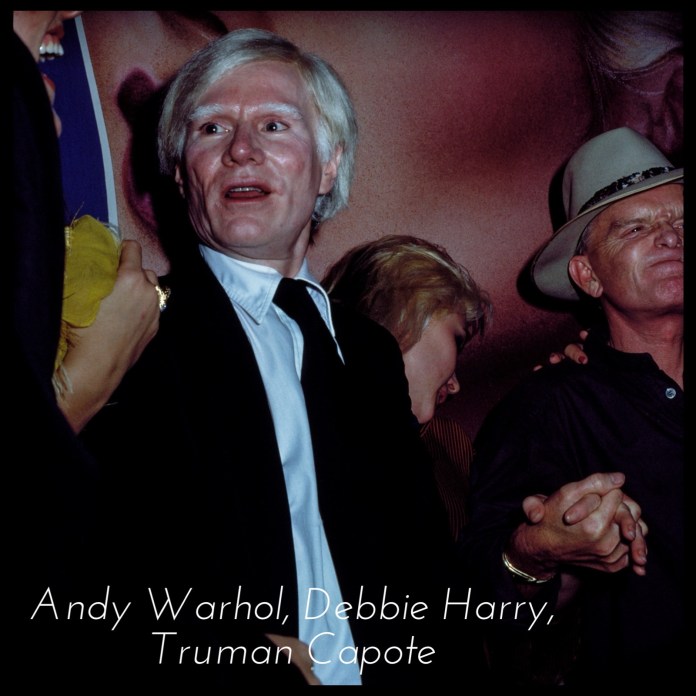
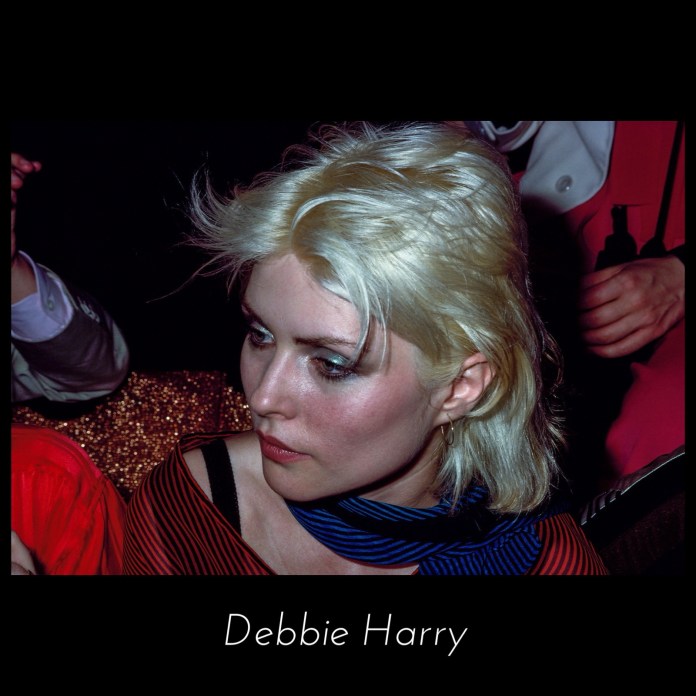
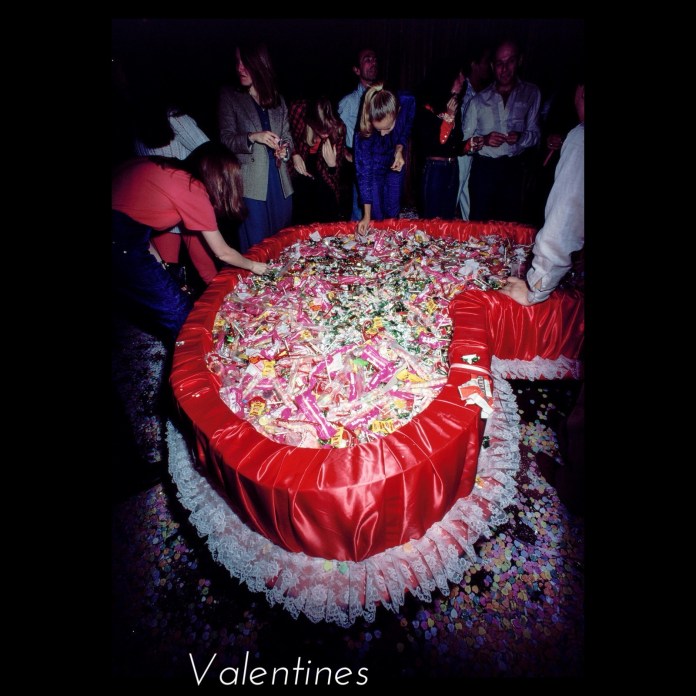
The 2025 New York Fashion Week will celebrate with a one night reopening of Studio 54.
This selection of images I made at the peak of Studio 54. I was a young aspiring documentary photographer and the cultural scene at the club was a rich source of inspiration and fun. There was a freedom then that allowed me to get up close and personal including going on stage to photograph Chuck Berry and his daughter Ingrid as they performed live.
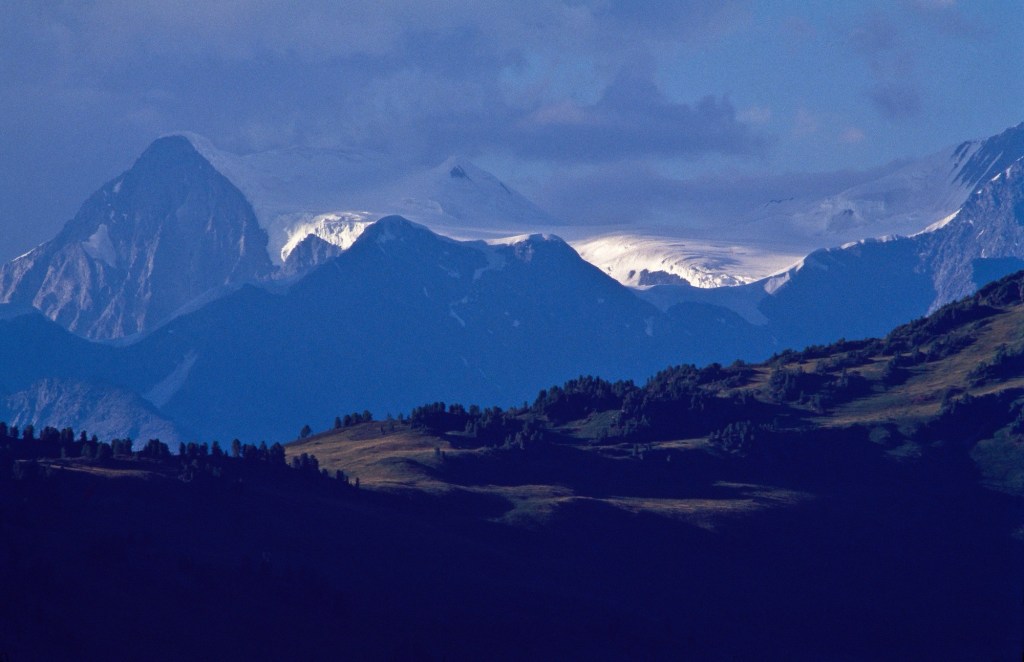
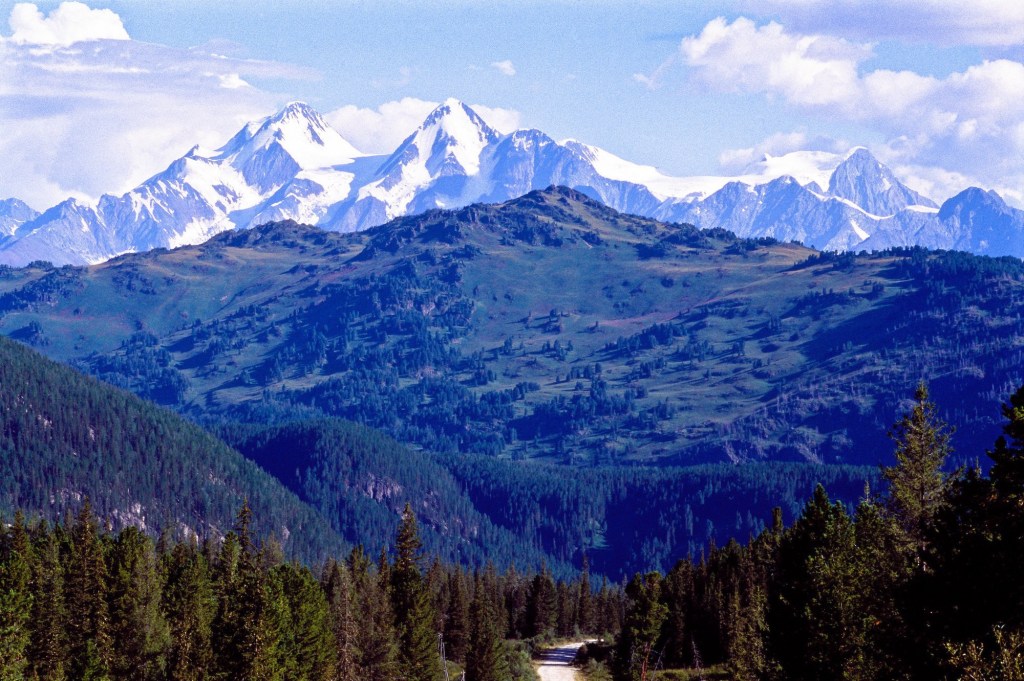
The “golden mountains” is a name given to the Altai range since ancient times. The mountains run along Kazakhstan’s northeastern border with Mongolia, China, and Siberia. It is noted for its rivers, waterfalls, pure springs, and spectacular vistas, and is home to the totemic snow leopard and argali mountain sheep. Mount Belukha is the tallest mountain in the Altai range, rising more than 4,500 meters, or nearly 15,000 feet. The peak is often shrouded in clouds and has its own unique persona, one steeped in history and religion. It has witnessed Chingis Khan invading with 200,000 Mongols, and listened as the chants of Tibetan Buddhists, and the songs and laments of shamans echoed off its sheer cliffs.
It is traditionally called Üch Sümer, meaning “three peaks.” Belukha may be Sumeru, the mythical Central Asian mountain of Buddhist belief, the center of Shangri-la (Shambhala), where only the spiritually advanced may enter.
“Golden Mountains”
There are many magnificent mountain peaks in the world, and we admire them for their grandeur. Belukha calls us to silence. As we stand in its presence, awe fills us, and we start to sense something unknown and full of energy.
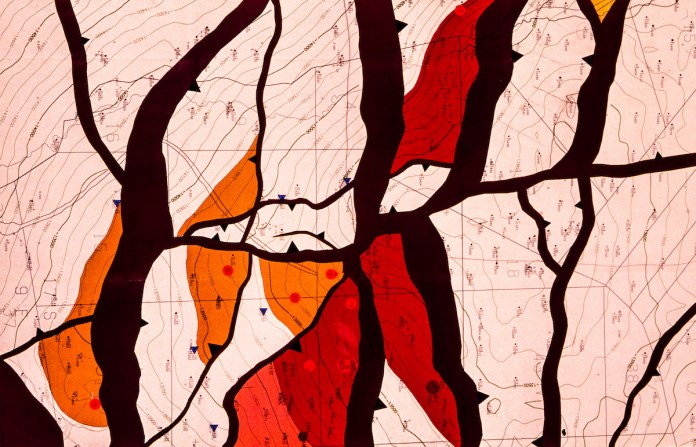
Abstract Images are a common feature in our minds and world
Abstract art can help us see parallels and sense echoes between our aesthetic expression and forms in science and nature.
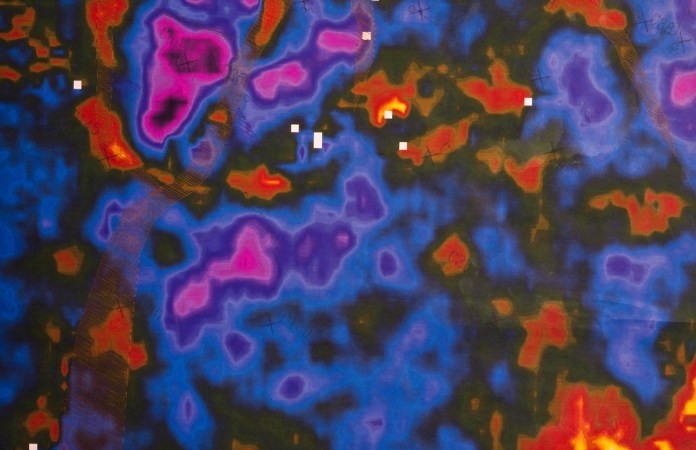
Sonar Image, floor of the Gulf of Mexico
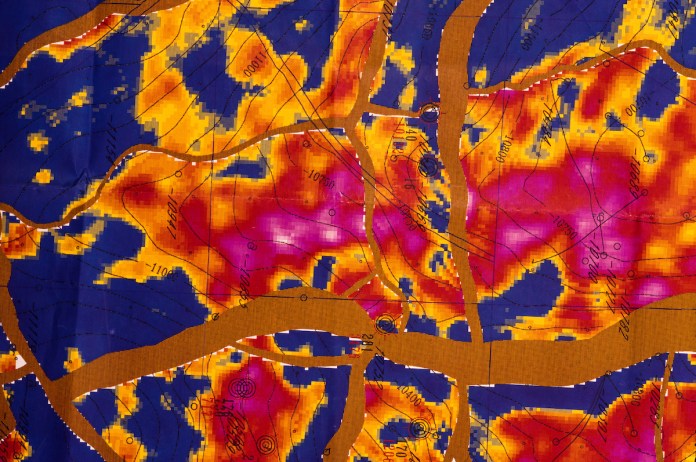
At first glance, these images appear to be abstract art. Under closer examination, we see that they are scientific images of the ocean floor indicating deposits of gas, crude oil, and voids.
Sonar image of oil and gas reserves, Gulf of Mexico
Imaging of the brain produces similar abstract images. We have a natural capacity to know these shapes and use them in abstract art. Upon deeper reflection, we realize that we have the capacity to understand and express these insights through art. The cognitive function of the brain is what we refer to as the mind. Therein lies a universe of symbols and archetypes that manifest as innate knowledge. This may be why we are touched by abstract art. The art does not objectively describe something that exists as an object. It expresses something that we feel and know, almost like a memory from a dream
Sonar Imaging showing oil and gas reserves, Gulf of Mexico
To see these images and others in my photographic archive, visit my website: WayneEastep.com
Fine Art landscape prints illustrating the presence of wind and evoking serenity
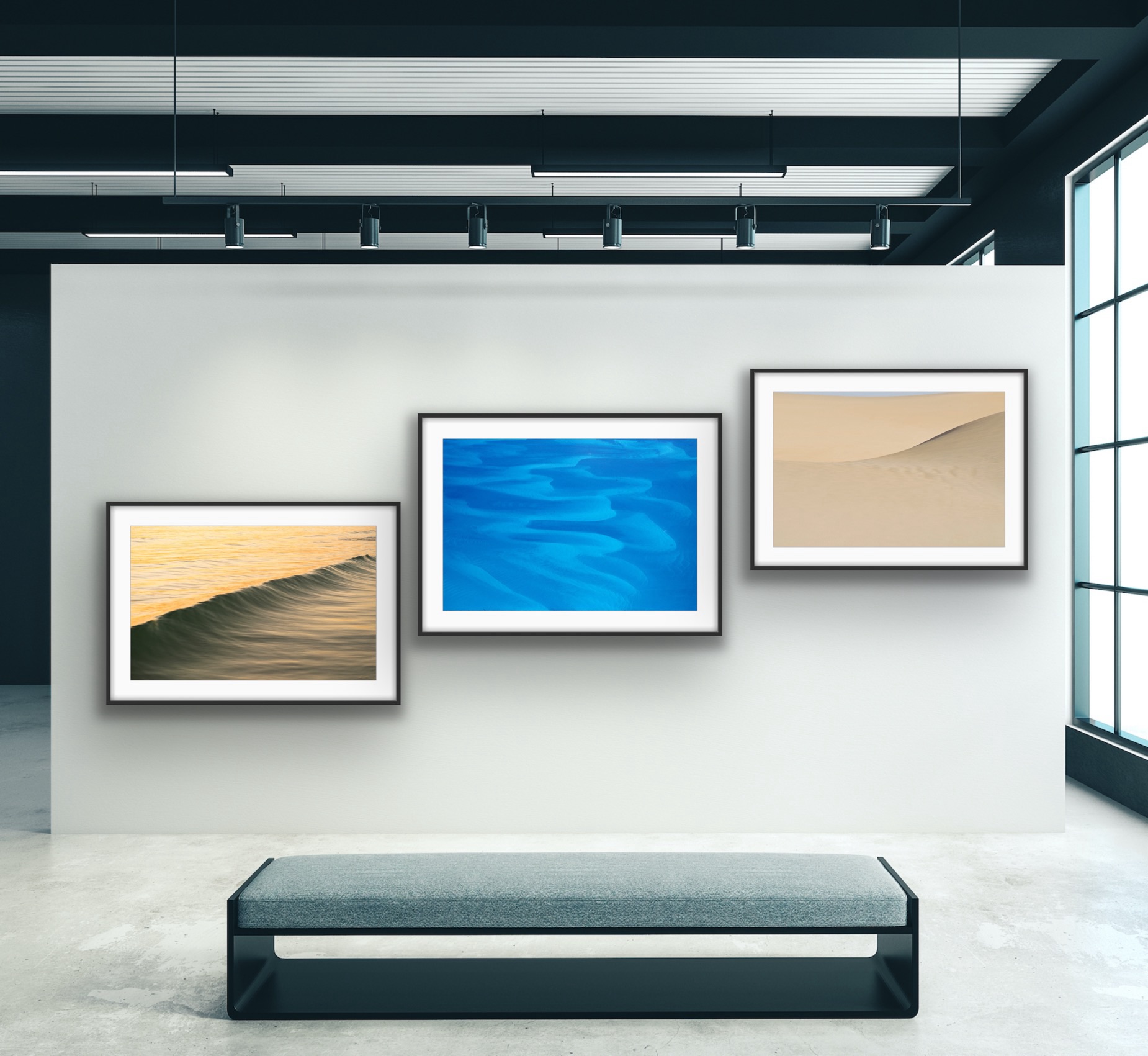
Make your space serene with these fine art photographic prints. Abstract photography has the power to beautifully decorate a space and trigger an emotional sense of calm and serenity. You can select these prints or draw from my archive for similar images.
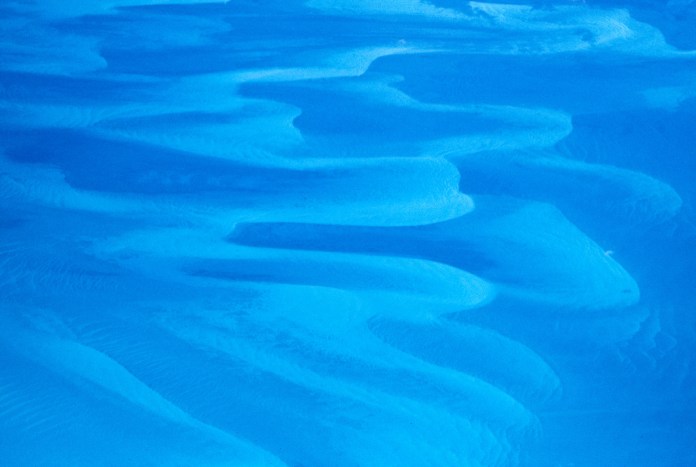
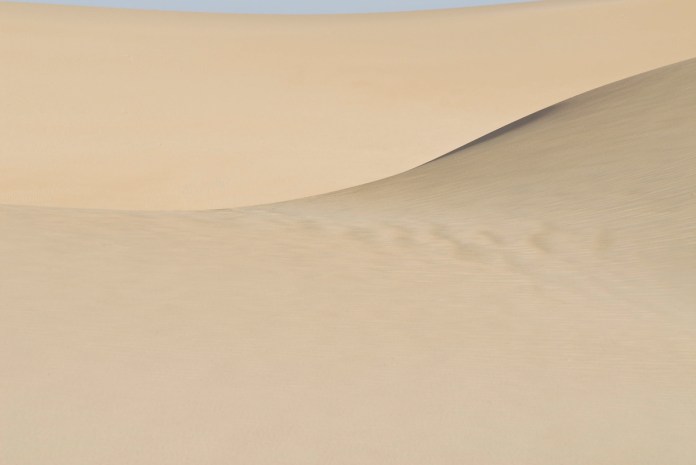
There are realities we know even though we can’t see them. There are forces beyond those which we see. Wind is a clear example of this reality. We can’t see the wind. What we can see is the effect of the wind.
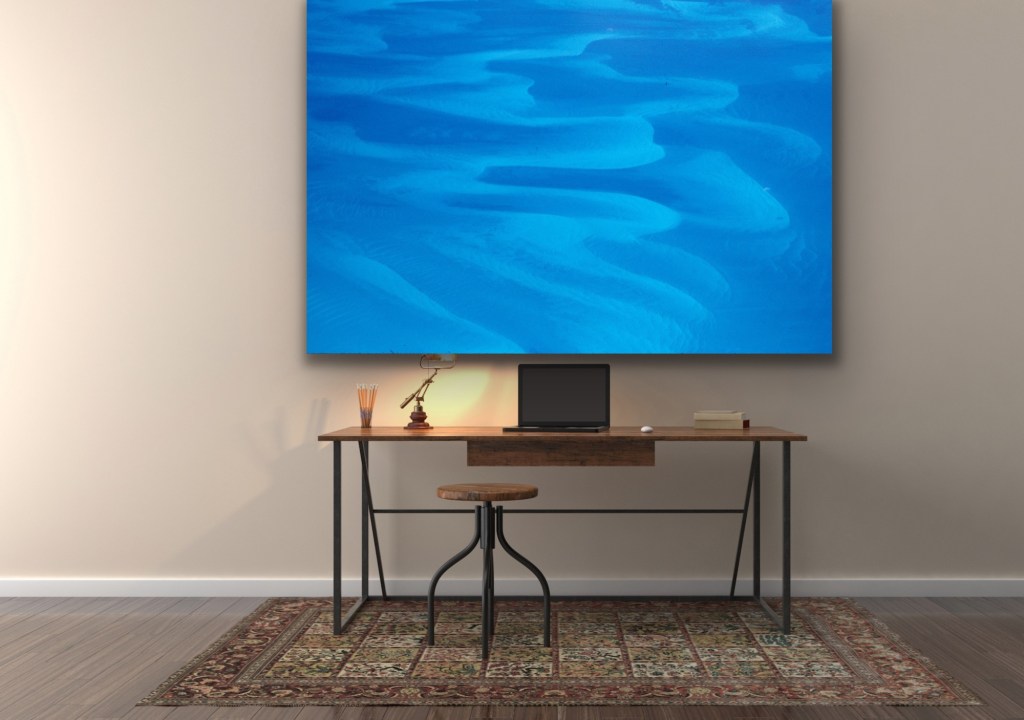
These three images are graphic examples of that fact. The first image is looking through the surface of the Atlantic Ocean at the shapes of a sandbank created by the wind and tides moving the sand under the water. We don’t see the wind even though it helped create these beautiful forms.
The second image shows an elegant line on the edge of a large sand dune in Arabia. The wind moves the millions of particles of sand, reshaping an enormous sand dune. Even when we can see sand blowing off the edge of a dune, we are not seeing the wind but what the wind left behind.
The third image is a familiar image of a wave being shaped by the partnership of the moon and the unseen wind.
We see the trees sway, the grass bend when the wind moves. Our knowledge of the natural world informs us that the wind is at work. A higher knowing is our intuition, which takes us beyond the physical plane to the dynamics of energy active in the atmosphere, where the recipe of the elements is creating the forces that shape life around us. When we attune to this alchemy, nature is given a chance to teach us that there is an inner knowing which goes beyond what we “know”.
Sign up for news from my studio. I do not sell your email. This is a way for you to be the first to know about new images added to my photo archive, courses I teach, and workshops I lead. You will not receive many emails from me, only when I have something of value to share. I hate getting swamped with sales emails, and I figure you do too.
Sometimes a picture leaves us with more questions than answers.
Take this image of Americas smallest Post Office.
Why is it so small? Why is here on the edge of the Florida Everglades? Having been exposed to so many hurricanes, how has it survived? Who uses it?
When I drove past the tinny building I stopped turned around and took a closer look.
I realized the picture I was going to make was less about the documentation of the architecture and more about the feeling it triggered the stories I imagined.
Who was the postmaster? How many people used it. If it wasn’t there how many people would be affected. What kind of relationship did the customers have with the postmaster? When was it built and why? The unanswered questions go on and on.
The saying is “ever picture tells a story.”
I’d propose that some of the more interesting pictures often leave the story unfinished with more questions than answers.
Kazakhstan is dotted with 48,000 lakes, many small like this mirror-surfaced one at Ush-Konyr near Fabrichny
A Visual Meditation
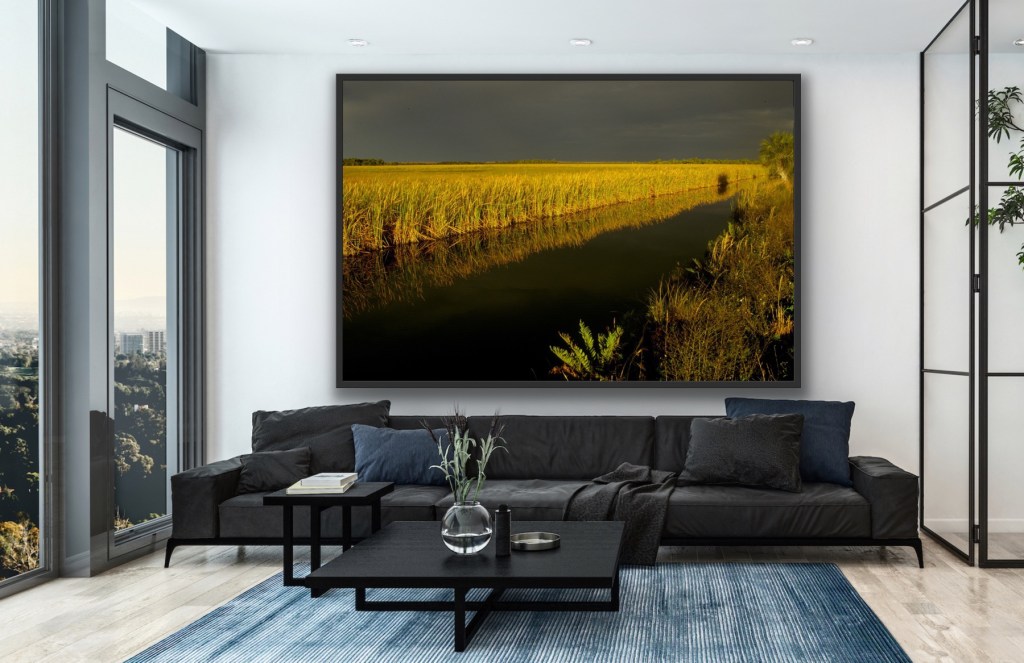
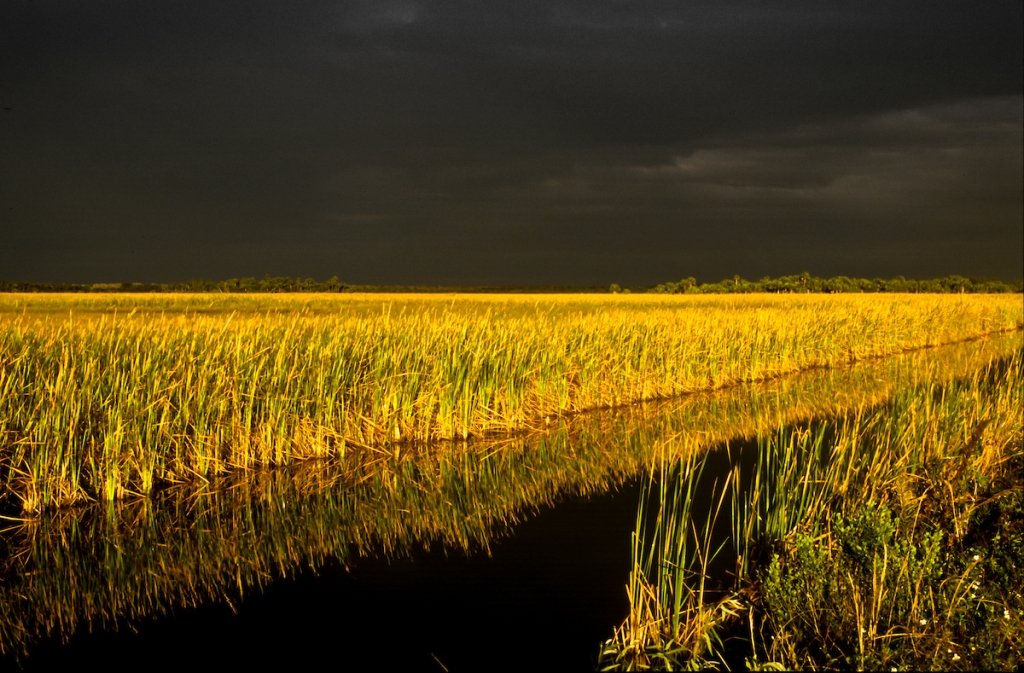
You don’t have to travel the world to find peace and calm. I’ve done that for you. Put this print on the wall of your home or office and have immediate access to a visual trigger that will transport you to a place of pure air, water, and calm.
To order this image, contact me directly to discuss an appropriate print size for your space. WayneEastep@Gmail.com
When you’re ready to look at more images like this, visit the image archive on my website: https://tinyurl.com/4t2sa3pp
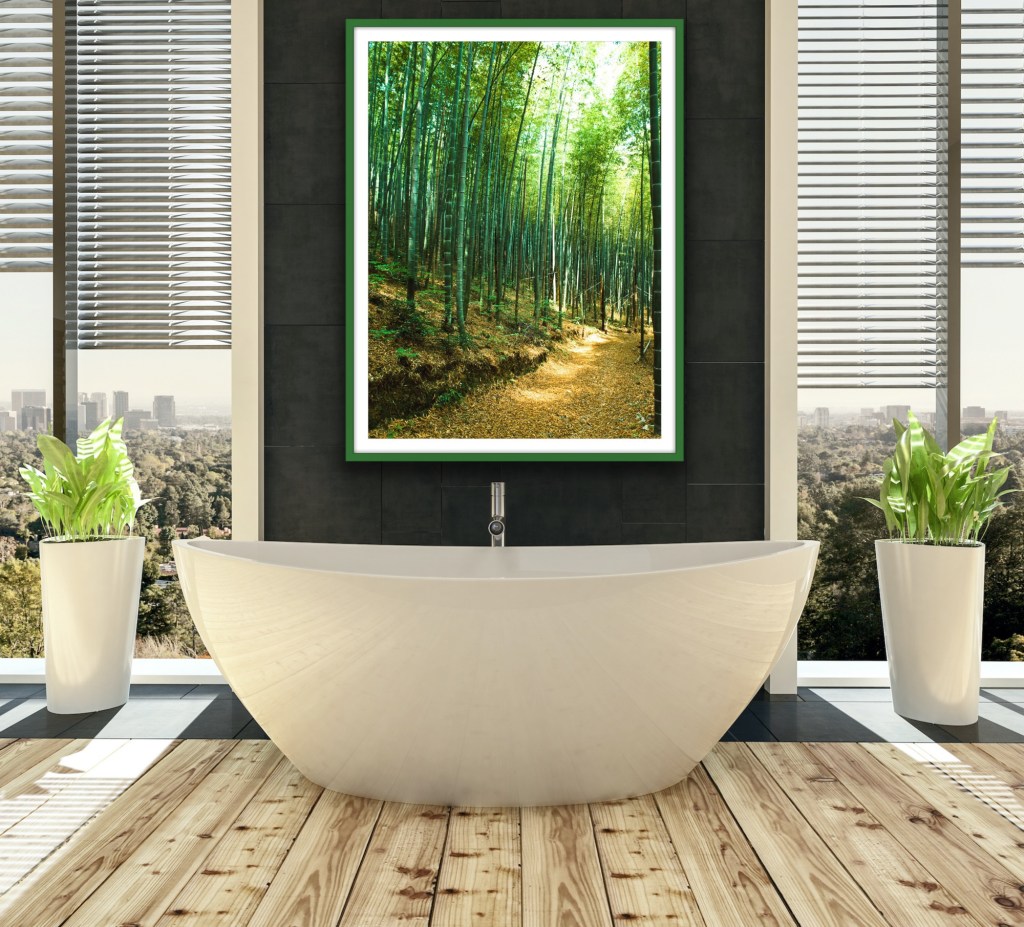
The area of Sagano Japan has a remarkably beautiful calm and peaceful bamboo grove. There is wonderful sound when the wind blows through the bamboo causing it to knock together. Put that together with the sound of rain and your ready for a peaceful nights rest.
Bamboo grove, Sagano, JapanBring some calm into your lifeGiant bamboo in a grove, Sagano JapanDaydream your afternoon away. Perhaps one of the best things you can do for yourself.
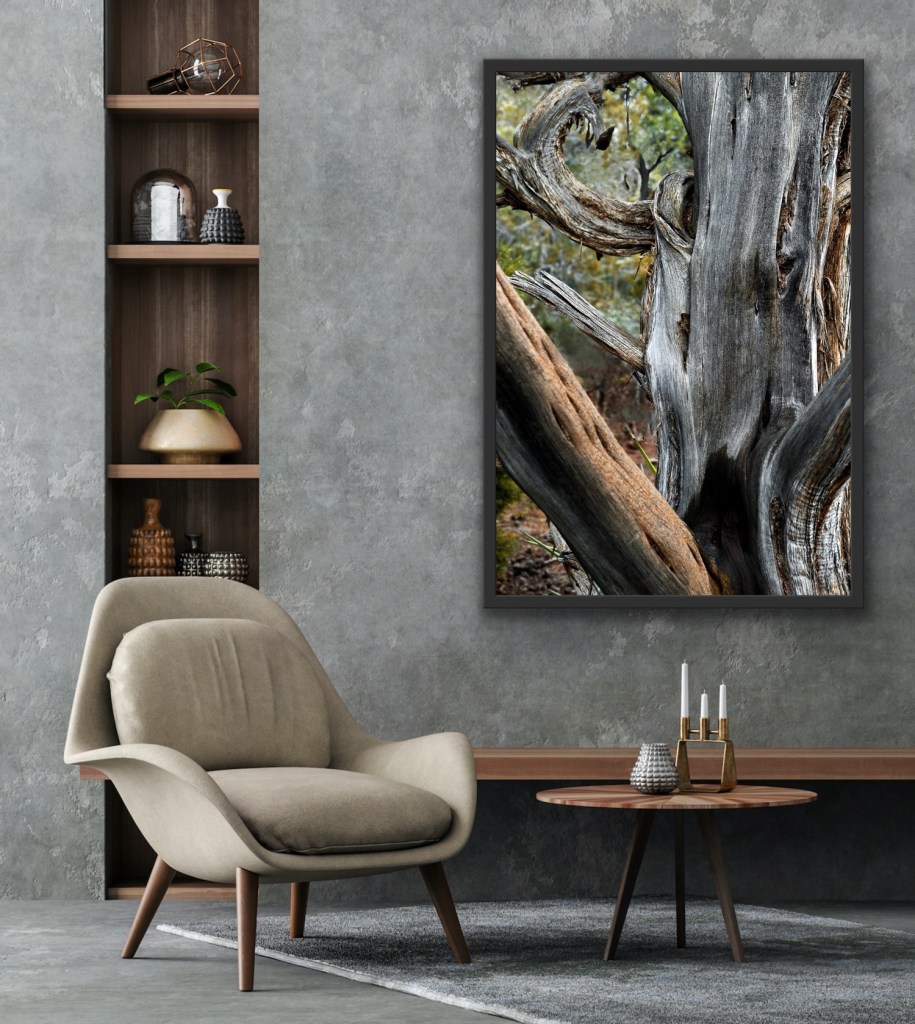
Time and life’s conditions bring about change. This cedar tree with the markings of wind, rain and snow, deep cold and searing sun shows us that beauty and grace remain even though the cedars stately and grand posture has passed.
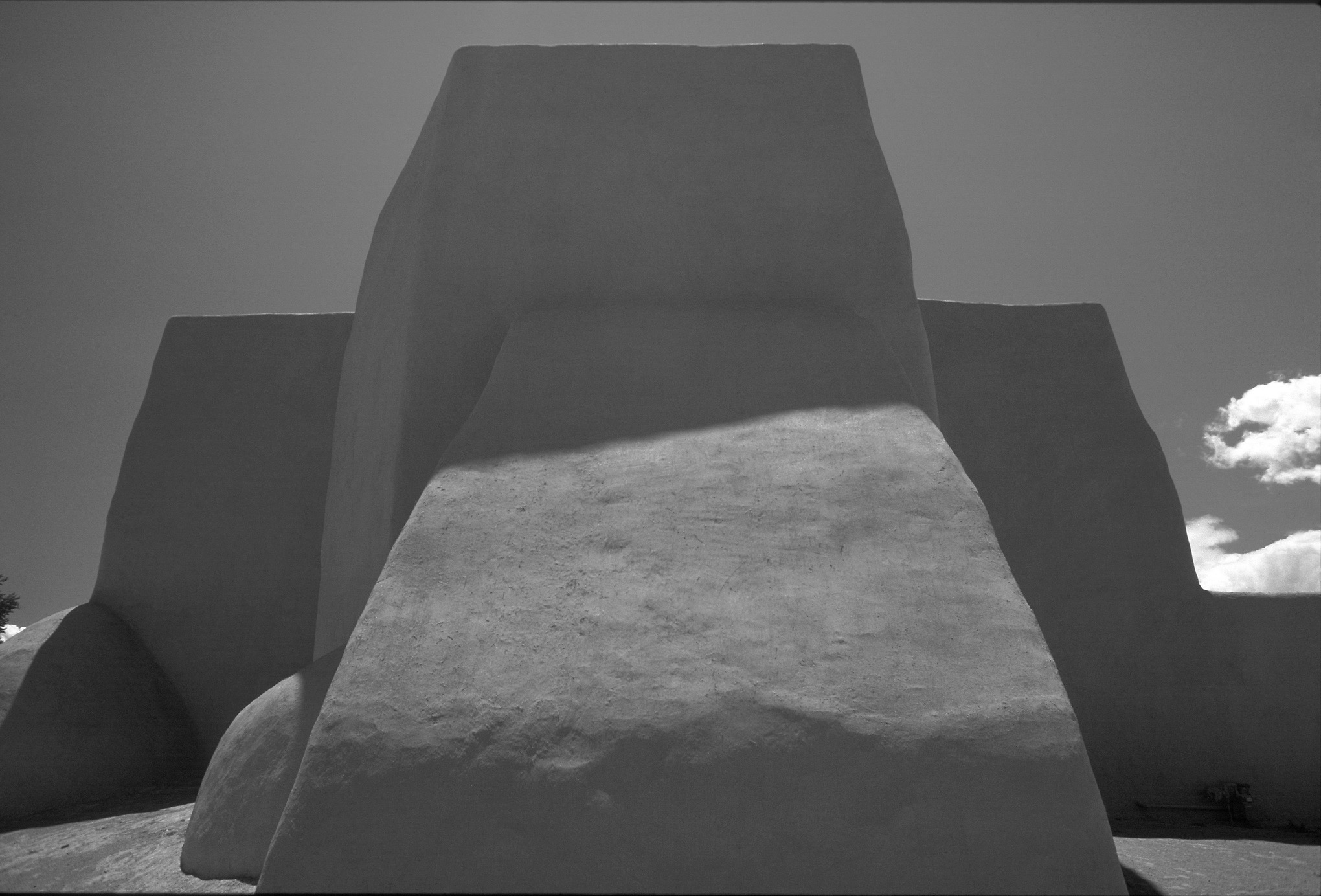
This mission church is one of the oldest churches in America dedicated to San Francisco de Asis. It is an outstanding example of adobe mission architecture. Constructed between 1813 & 1815. Ranchos de Taos, New Mexico.
The clean lines and earthen materials make it a kindered spirit to modern architecture from the Sarasota School of Architecture. They both integrate the outdoor environment with the architecture using simple materials and clean lines in the design.
Spiral staircase, Shaker Village, Pleasant Hill, Kentucky
Spiral cherry wood staircase, one of a twin. Designed by Michajah Burnett for the Trustee’s house at the Shaker Village, Pleasant Hill, Kentucky.
I was commissioned by Nikon to use all their lenses to show each to it’s full creative and technical performance. The 8mm fisheye lens proved to be a challenge because it drew so much attention to the technical characteristic of the circular format. I felt it easily took away from the engaging aesthetics of the subject. That all changed when I came upon this magnificent spiral cherry wood staircase. There was a match between the way the concept of the spiral was formed within the staircase and the format of the fisheye lens. This image is the result.
The image is part of a collection of images I’ve curated illustrating my signature style.
2020 ended with a full moon. It joins the sun in giving us a celestial presence that is reassuring, and god knows we can use some reassurance about now.
Natue is always a reliable source to turn to for orientation. So look up, look around, you might find what you’re looking for.
Sun viewed above the Gulf of Mexico, Sarasota, Florida
2021 started as it did the day before and as it will tomorrow, with the sun in the sky bringing light, energy and warmth, The presence of the sun offers us stability, continuity, and certainty. That’s good. I’ll take it.
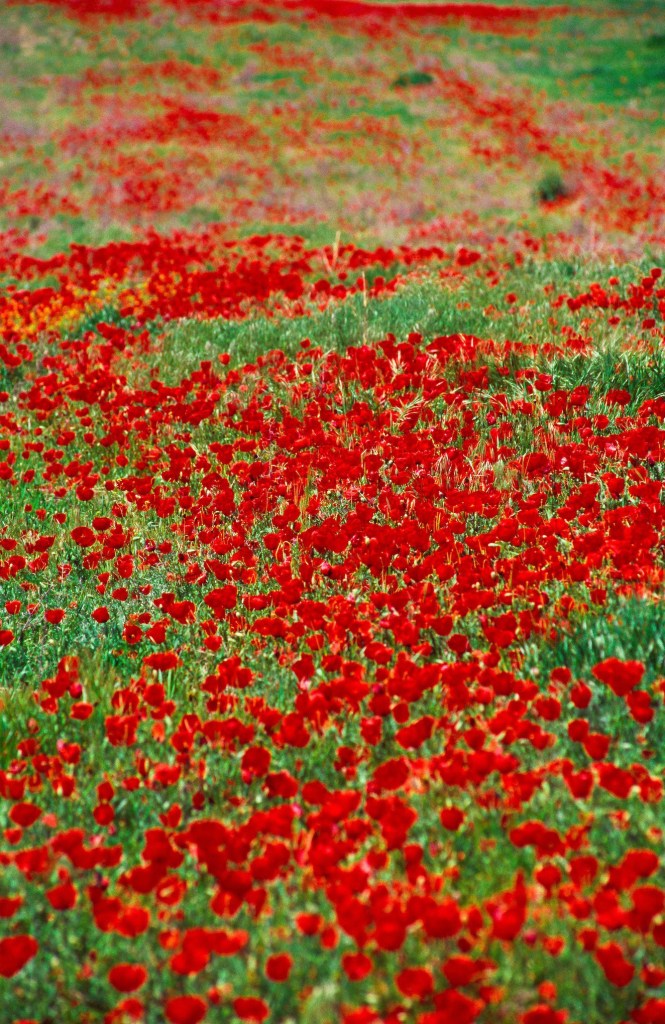
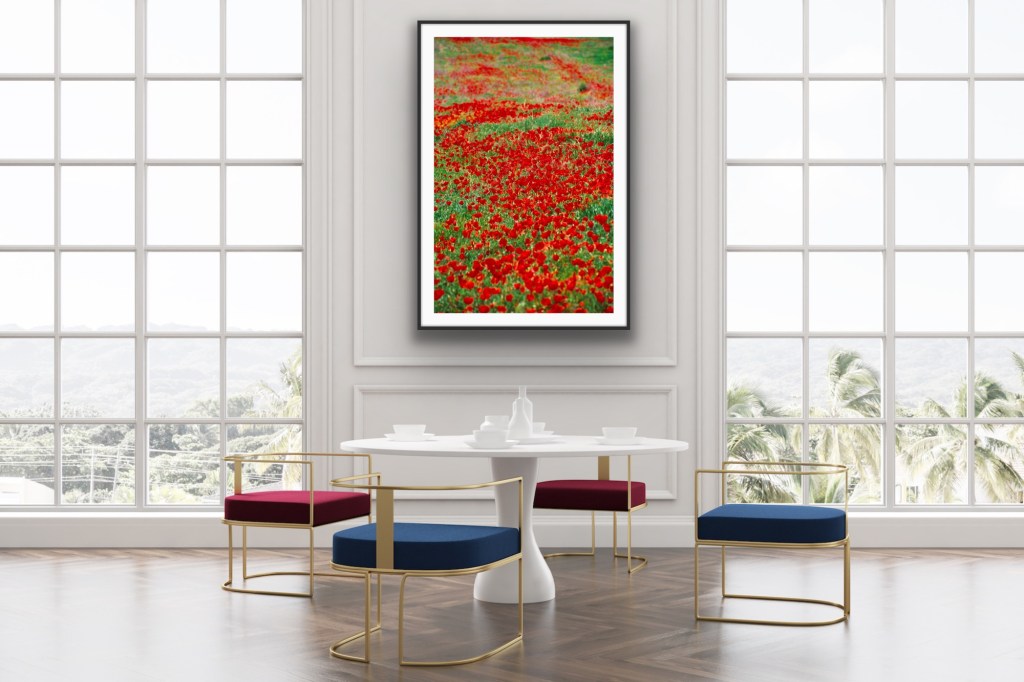
Kazakh artists have appropriated the color red as a symbol for the vitality of life in their traditional art for millennia. This field of red poppies is in Ordabasy, Kazakhstan the place where the three major Juz or tribes came together to unify Kazakhstan in 1726 under the leadership of Abulkhair.
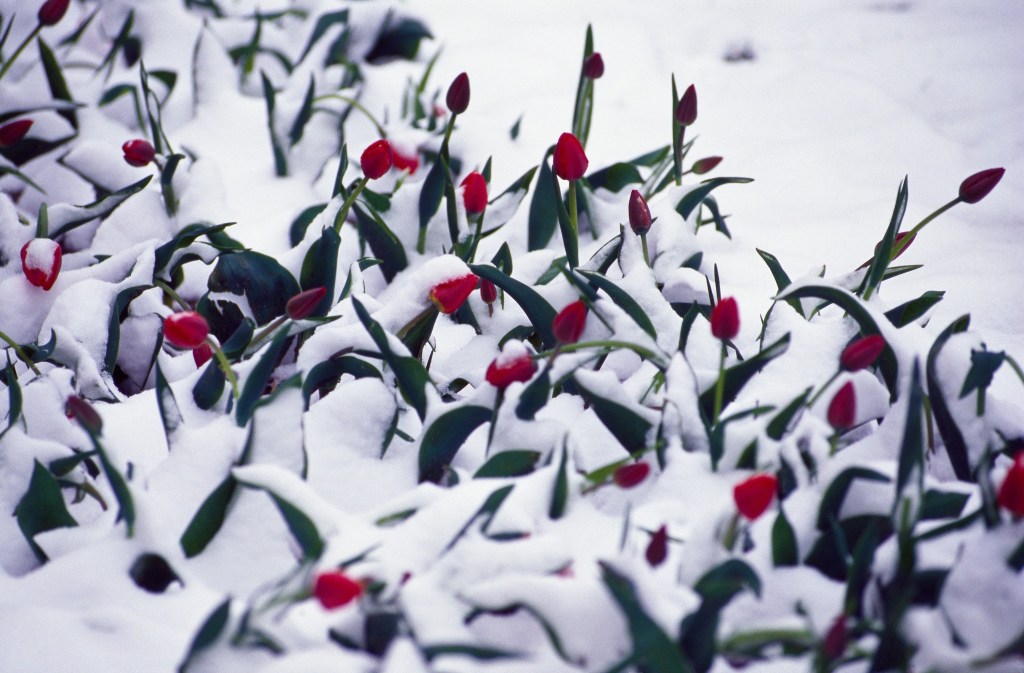
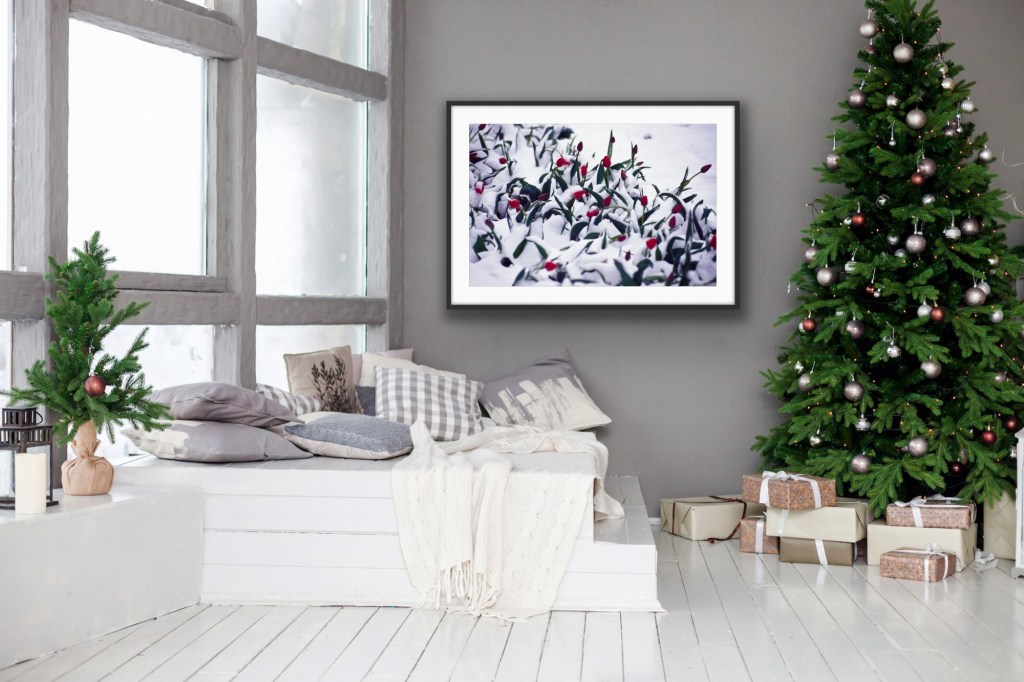
Tulips in the snow, Panfilov Park, Almaty, Kazakhstan.
While researching for my book The Soul of Kazakhstan in the New York public library, I came across a letter Natalya Sedova, Leon Trotsky’s wife, wrote home while exiled in Almaty, Kazakhstan. She exclaimed about the beauty of a late spring snow blanketing the tulips. I remember thinking, what a remarkable image, I’d love to see that. As good fortune would have it, my apartment was across from where the Trotskys lived. On a spring day in April, I was treated to the same beautiful sight.
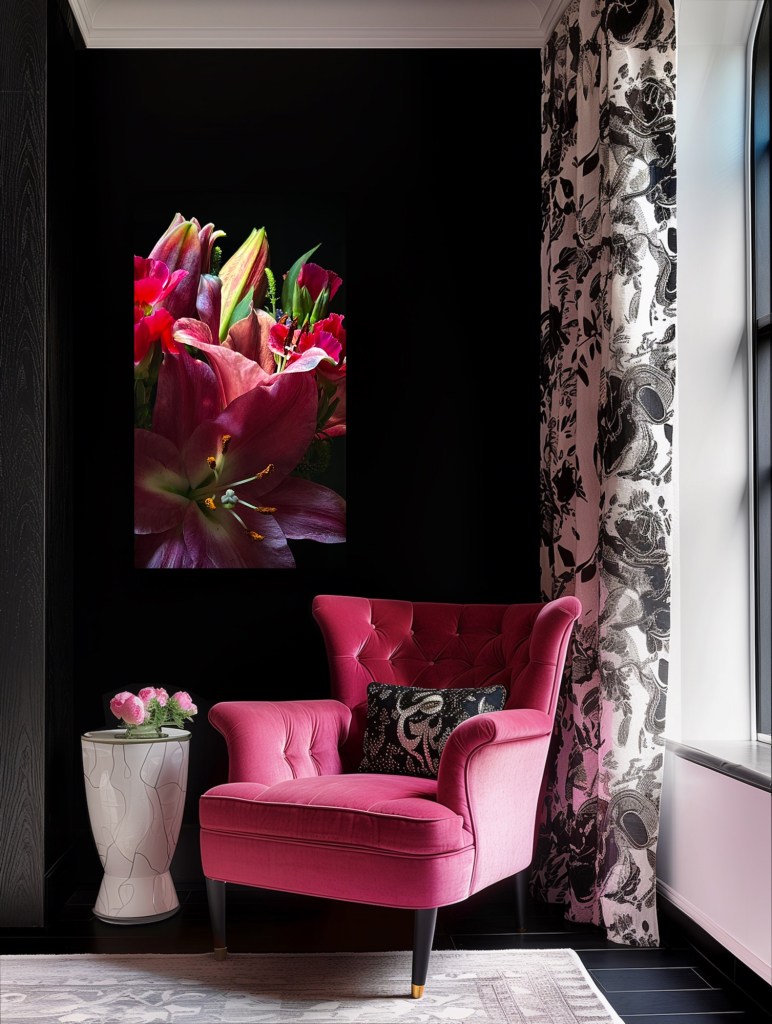
White Rose, 40″ x 60″ photographic fine art print.
Mothers day a few years ago I bought a couple dozen white roses for my mother-in-law. I had gotten them from a wholesale supplier I had been using for flowers to photograph in my studio. The white roses were super fresh and flawless. As I looked closely at them appreciating their beauty I saw one that was pure and perfect, not a single blemish. So I took it into the studio and spent most of the day studying and photographing this perfect rose. The image above is of that rose.
A collector in New York city bought an eight foot wide print of this image had it matted and framed in white and placed as the single design element in their dining room.
Visit the flower collection at my online store and select a size you would like to have. EastepStore.WayneEastep.com
To see a full selection of images in my archive visit my website: WayneEastep.com
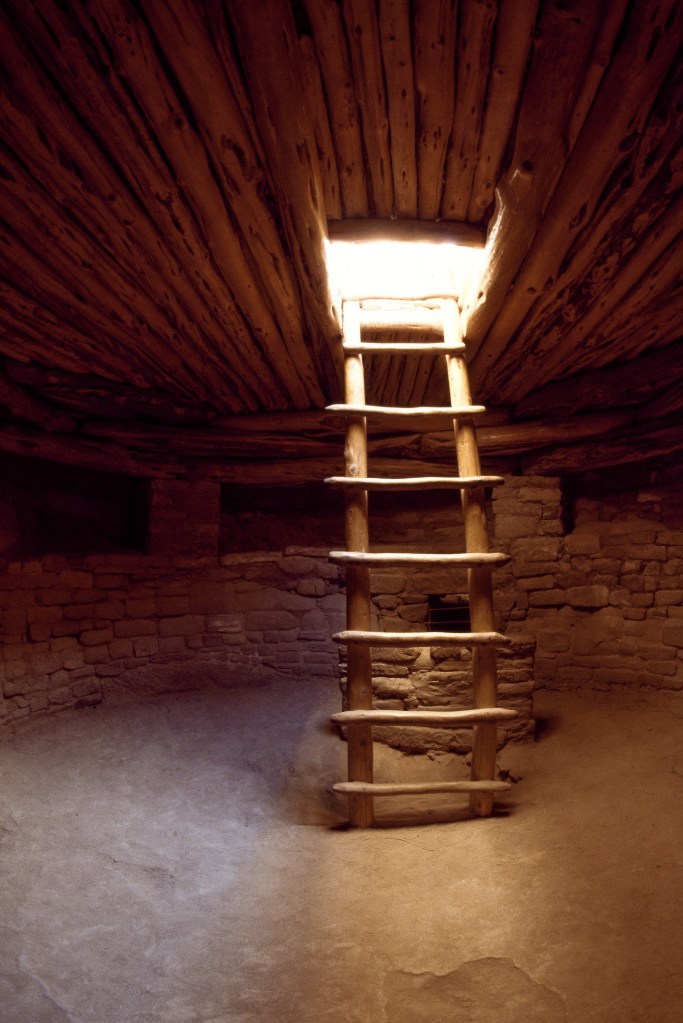
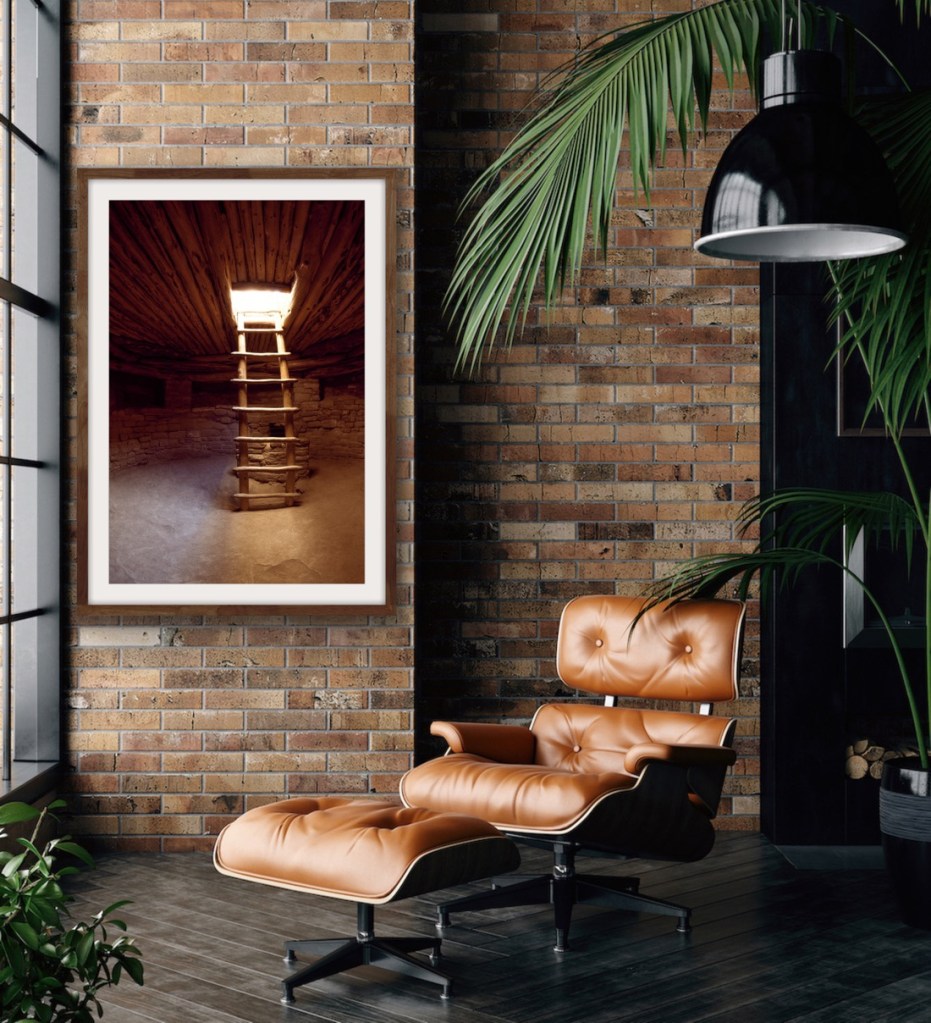
Kiva at the Spruce Tree House, Mesa Verde National Park, Colorado
This Kiva was a ceremonial space at the Spruce Tree House. It was within the cliff dwellings built around 1190 A.D. by the Pueblo people in the area of the Mesa Verde.
Kiva Spruce Tree House. Visit my online store, EastepStore.WayneEasetp.com Between now and Jan 2, 2021 get 10% off your order plus a $20 discount on shipping for orders over $50.
Use metal, acrylic or vinyl to safely install this print in a damp environment.
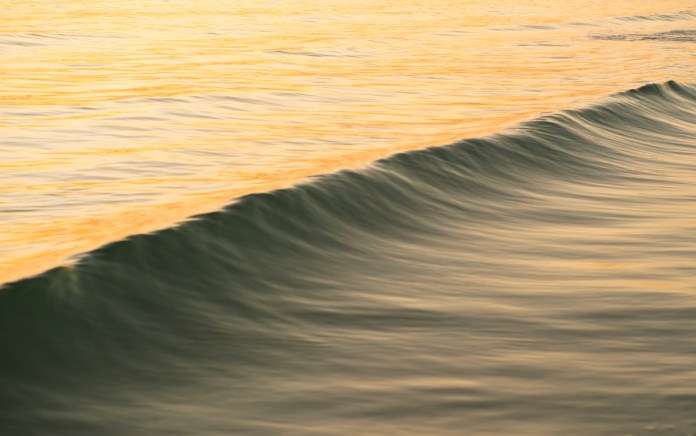
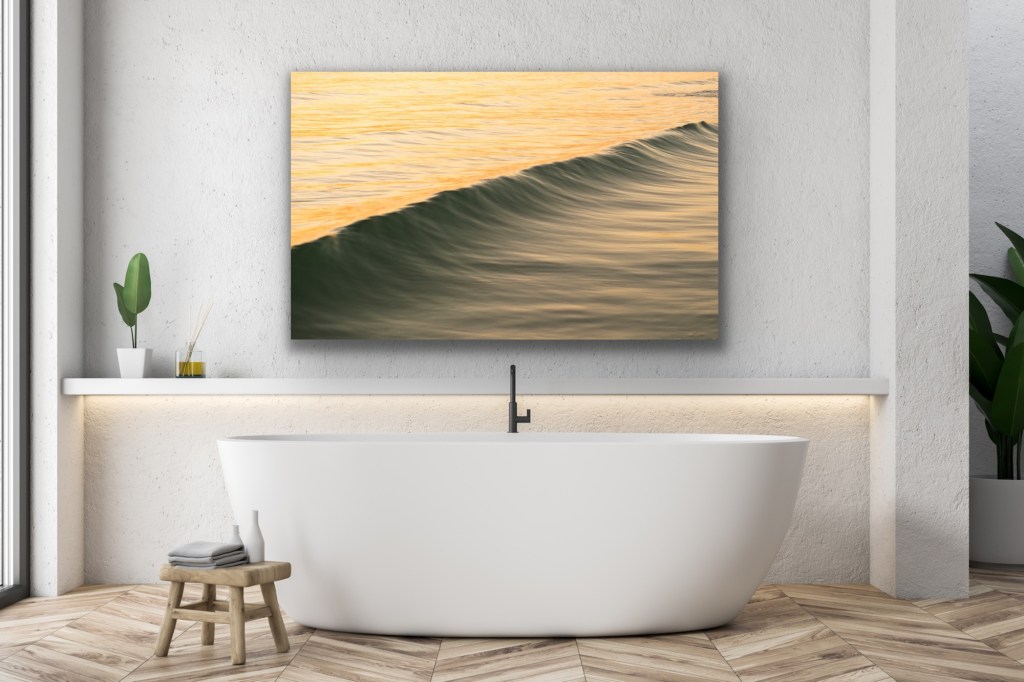
Golden Wave
I moved down the beach and into the water so I could place this wave in a diagonal composition. I like the way the angle in combination with the contrast in light and the slow shutter speed enhanced the graceful sense of movement in this picture. There’s a softness and strength I find appealing in this image.
Now through Jan. 2, 2021 get a 10% discount plus $20 shipping discount. Visit my online store: eastepstore.wayneeastep.com
DIY Home Decorating with peel and stick wall murals.
Vinyl removable print
Martinique
Are you a little quarantine claustrophobic? Get a new view with a vinyl removable print. Visit the Seascape collection at my online store: eastepstore.WayneEastep.com
Nautilus print sandwiched between two layers of plexiglass.
This image of a nautilus is sandwiched between two layers of plexiglass to protect it from moisture around the pool. The print is part of a 20 print collection permanently installed at the Grand Tier across from Lincoln Center on the upper west side of New York city.
This post-war 30 story high-rise was designed by famed architect Costas Kondylis, with interior spaces designed by renowned American Designer John Saladino.
Sandwiching the image between two layers of plexiglass made it possible to safely display the print in this moist environment. There are a number of solutions for displaying prints in challenging environmental conditions.
Contact me to discuss solutions for safely displaying prints in challenging spaces you’re working on. WayneEastep@Gmail.com
DIY Home Decorating with peel and stick wall murals
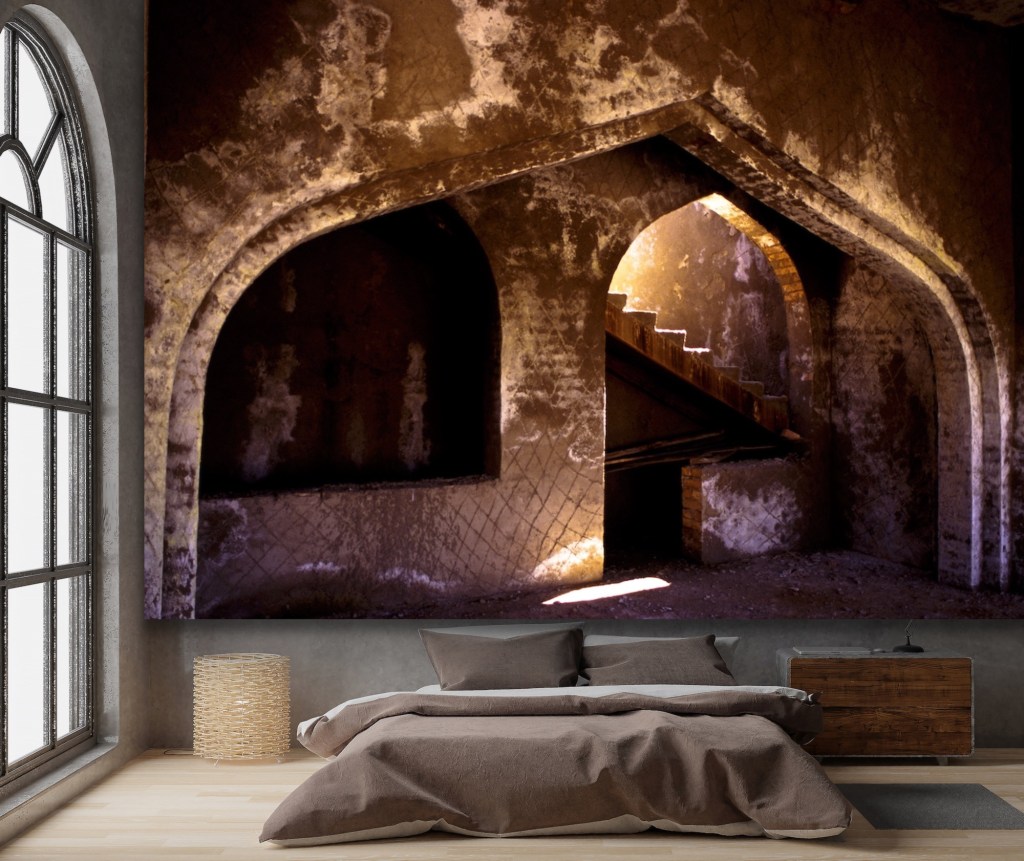
Akhmed Yasavi bathhouse, Shymkent, Kazakhstan
Transform your space with images of unique places from around the world.
New materials make it possible to imprint images onto surfaces that can play a role in your interior design and architecture.
Repositionable vinyl wallpaper/decal makes it possible to install a decal without damaging the paint or wall and when you want to remove the decal and install a different image.
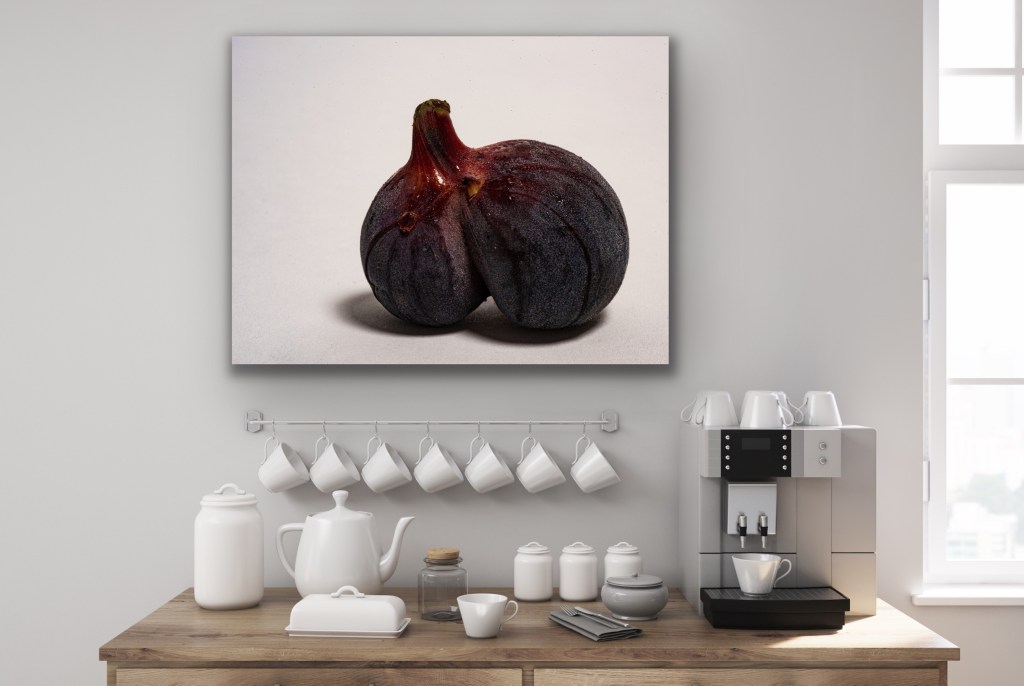
Art should be exhibited in the kitchen. We prepare food to be beautiful. We choose kitchen dishes, pots, utensils and even appliances for their style and the way they enrich our aesthetics in the kitchen. Our library of food cookbooks include titles like The Art of Food, The Beauty of Food, etc. It’s time to spice up our lives with beautiful art in the kitchen.
The Covid-19 Pandemic has affected the way we communicate. Millions of people are using apps like Zoom, Facetime, Google Meet, Skype, etc. Many users are sitting in front of bookshelves, doors, windows and a range of objects that draw attention away from you and distract.
Consider upping your online presence and go professional. Select an image that can be printed on a removable peel and stick wall mural.
Contact me to find a beautiful affordable background. The print can be modest in size to fit behind you when online or it can be wall paper that covers an entire wall.
When you want or need to change the image simply peel it away from the wall (leaving no marks or damage to the wall) roll it up to use another time. Then attach the new print.
I have a large selection of images to choose from: WayneEastep.com
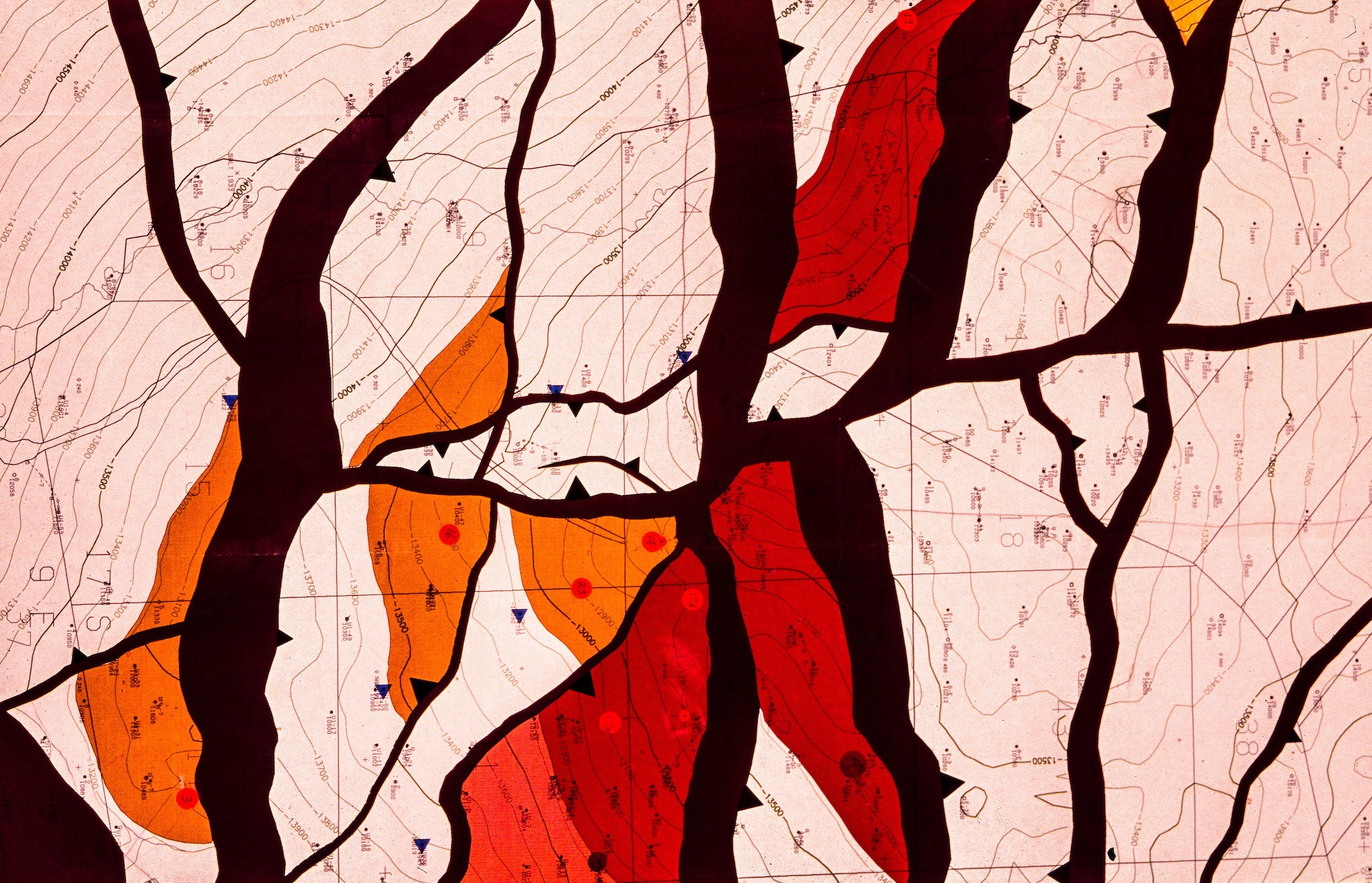
I love the illusion of fire that this image creates. This print is 47″x 96″. To see this image at different sizes visit my online store: EastepPhotography
To see other images in this collection visit my website: WayneEastep.com
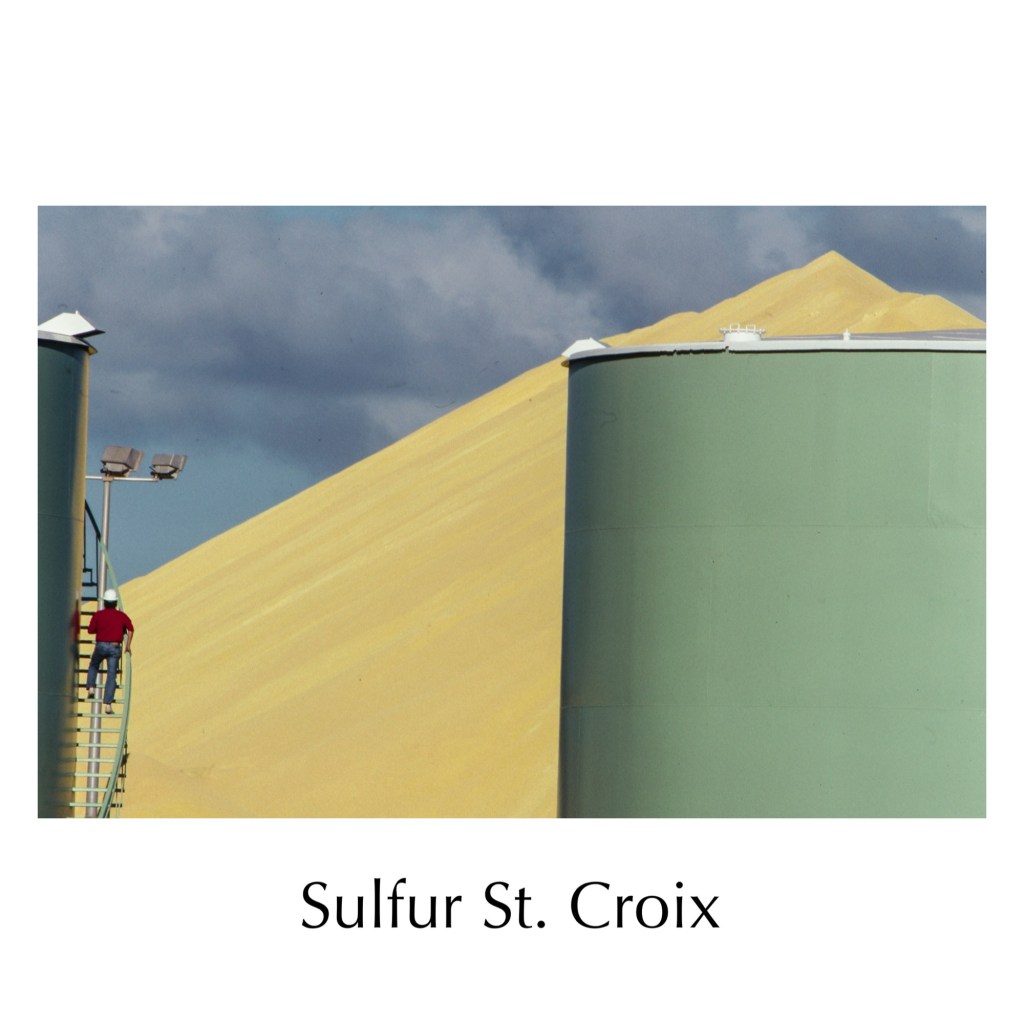
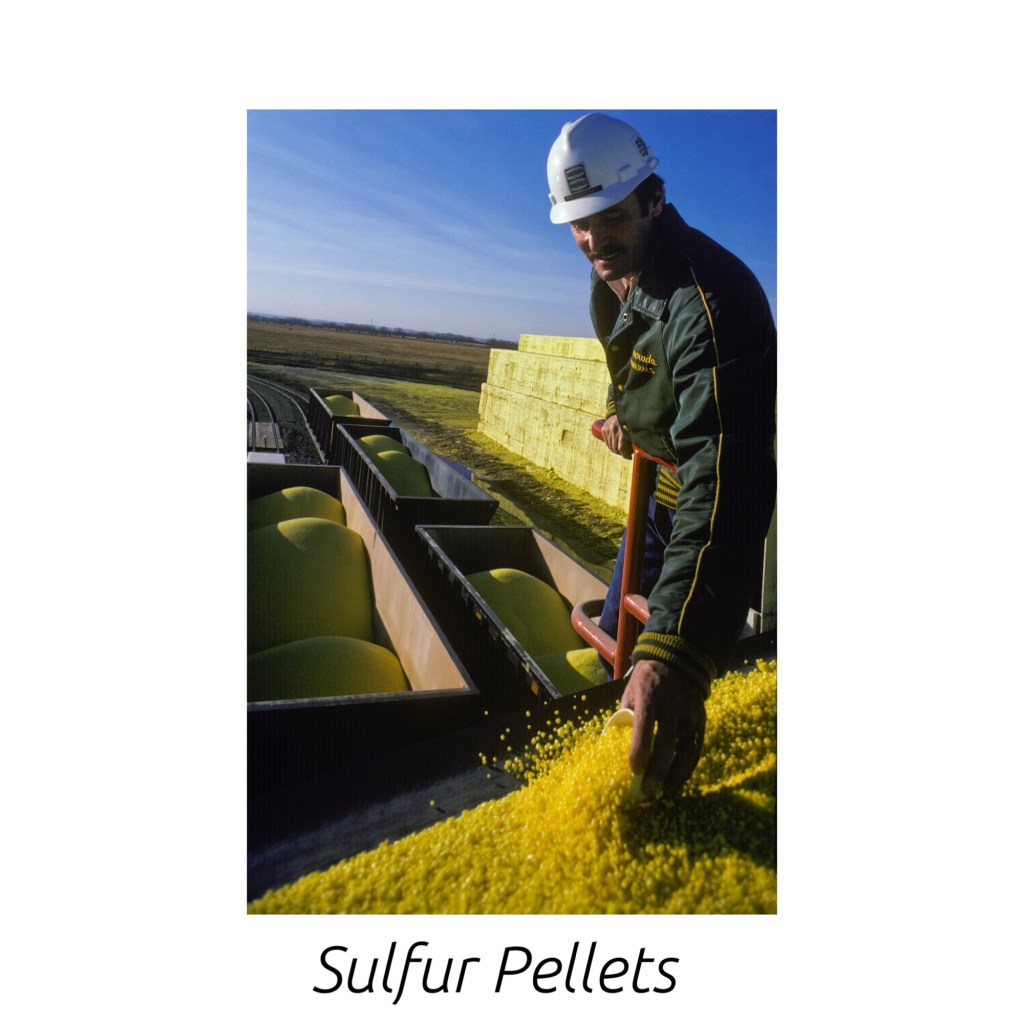
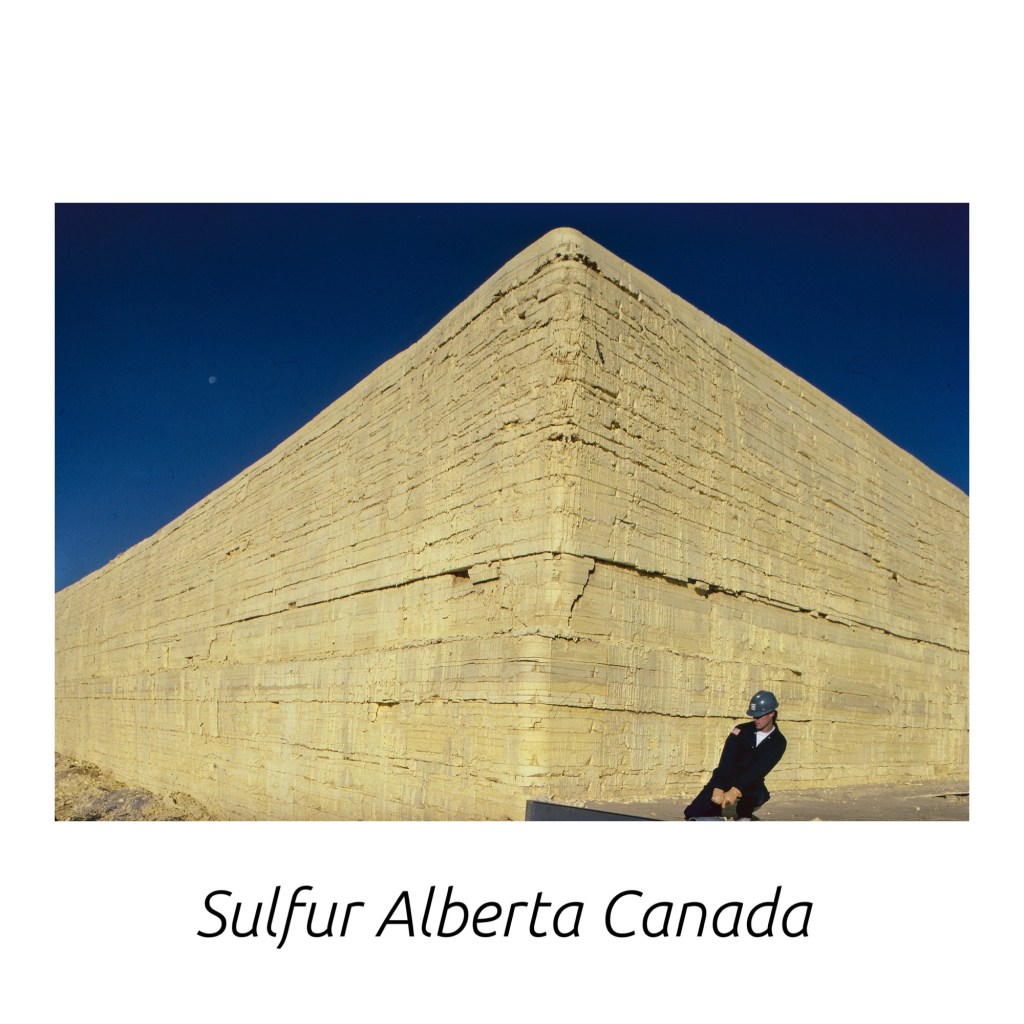
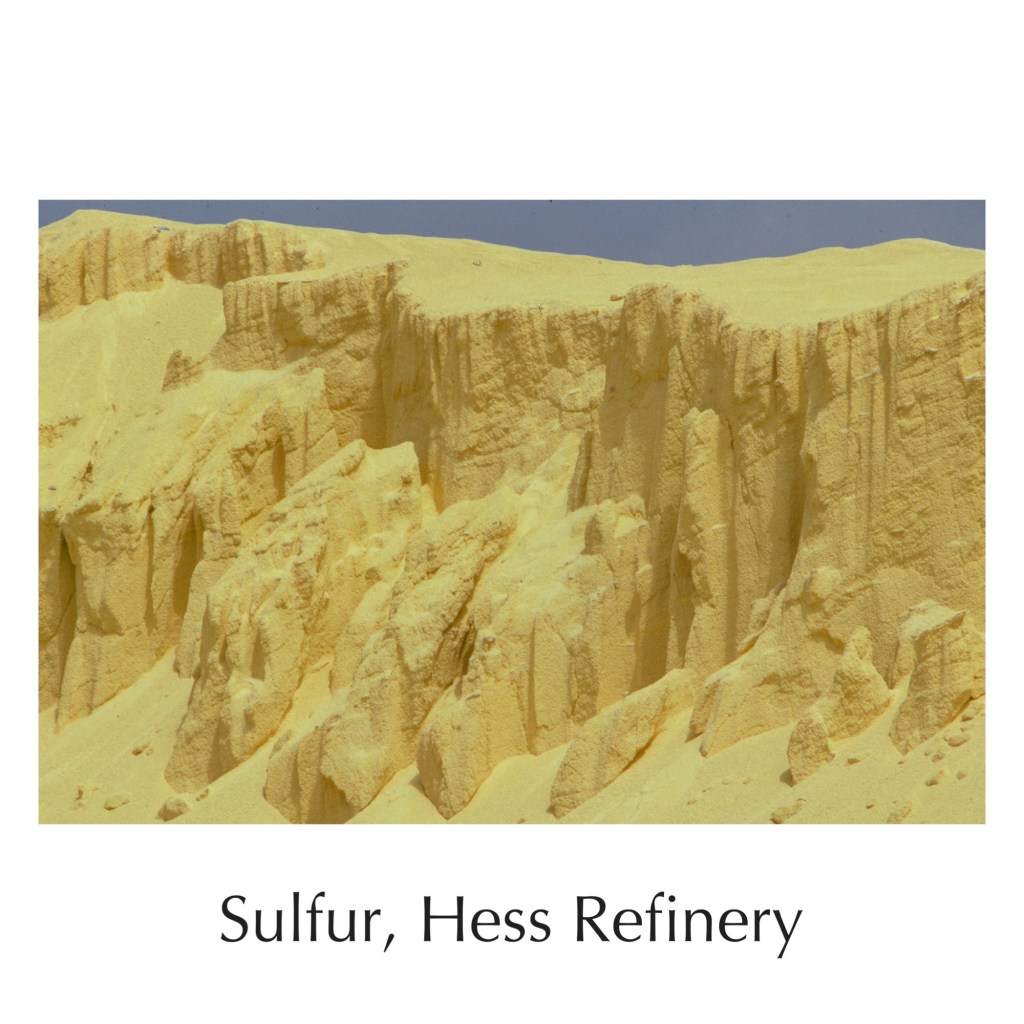
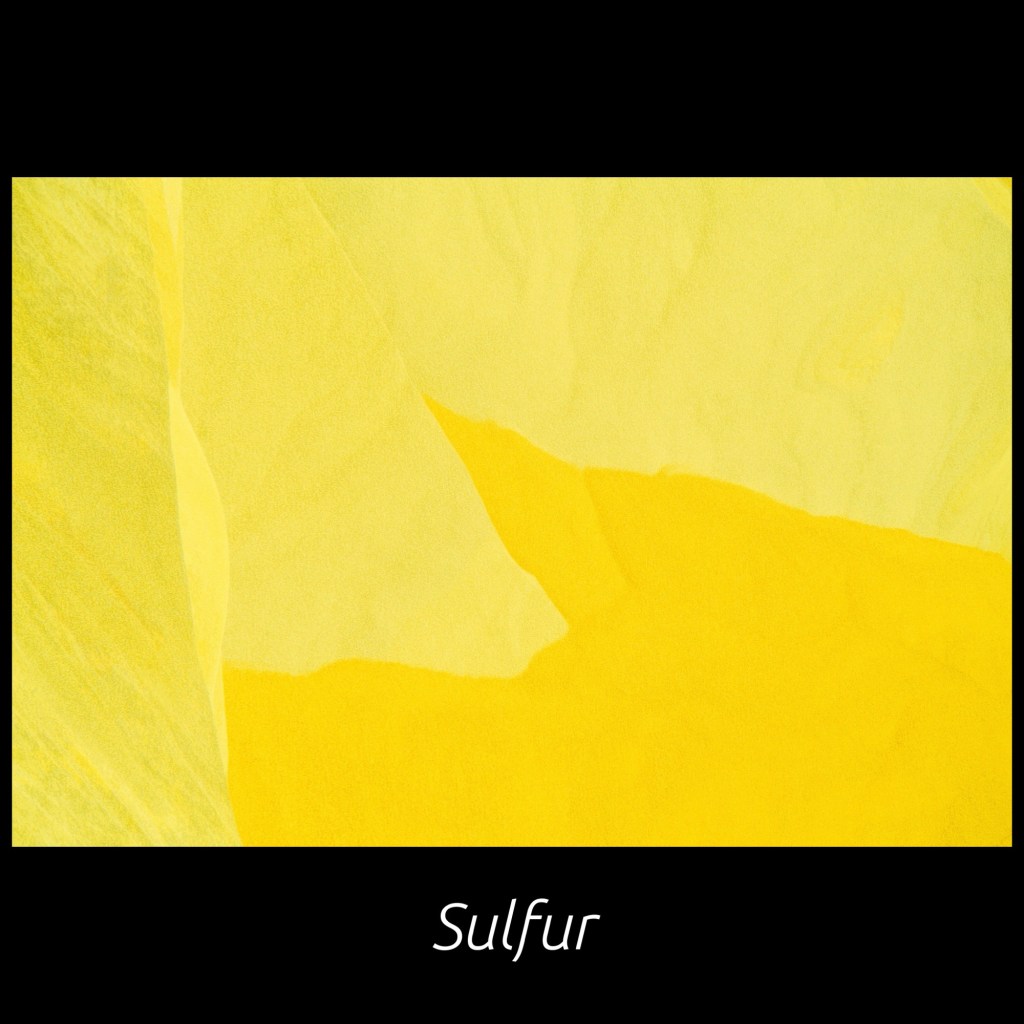
Sulfur is a by-product of oil refining and gas production. This mountain of sulfur was at the Hess refinery in St. Croix, US V.I.. The way that certain areas of the sulfur retained moisture and others dried combined with the way the sulfur pellets moved created this beautiful abstraction and range of rich color.
Abstract images from the world of industry create strong graphic and colorful statements.
Subjects from the world of industry offer a surprising collection of strong graphic and colorful images which bring surprising energy into a space. When the subject is abstracted as it is here the result can introduce ambiguity which activates the imagination and invites your own interpretation. Because of the elemental nature of the shapes and the richness of the color the image can be appreciated for its intrinsic beauty.
Visit my online store to see this image in various sizes, matts and frames: EastepPhotography
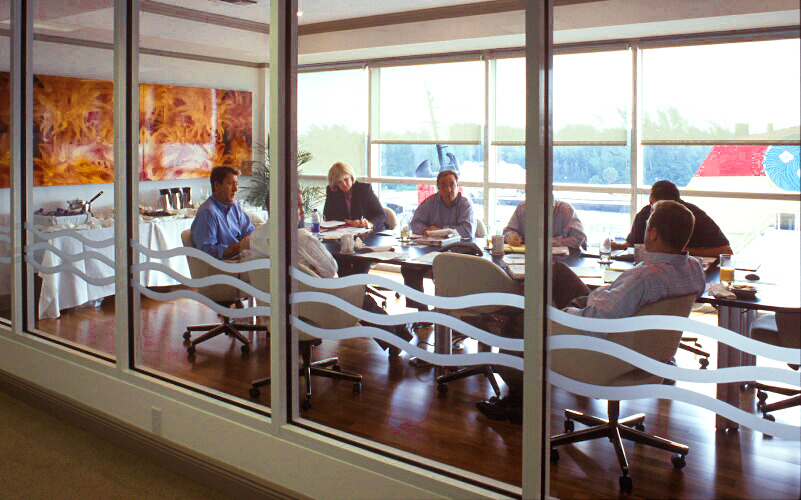
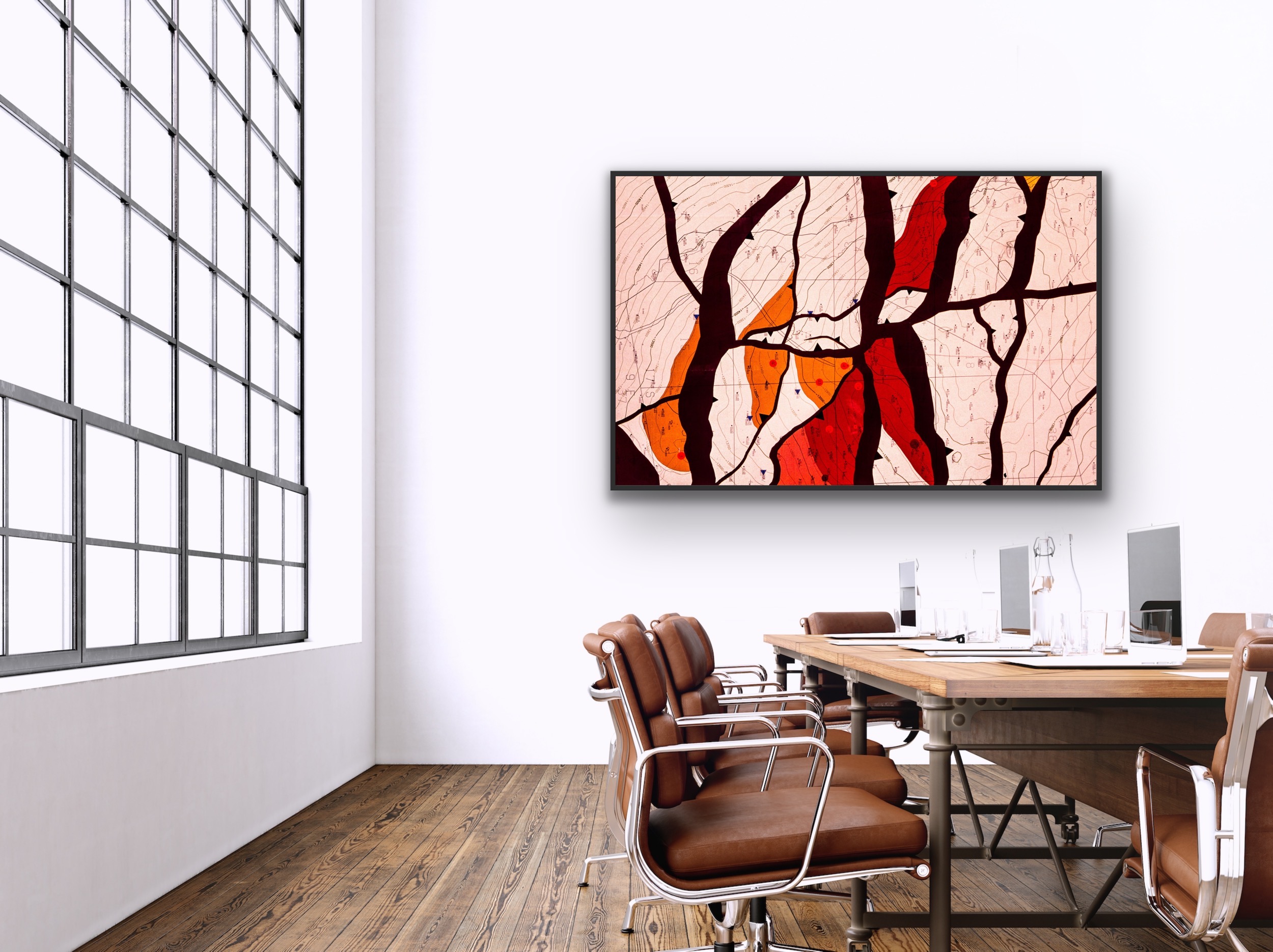
Art at the Princess Cruise Headquarters in West Palm Beach, Florida Coral Polyps of Orange Tube Coral (Tubastrea coccinea). These polyps are only visible in the dark, usually at night. Bonaire The print is eight feet wide museum box mounted. Printer is Ken Lieberman Labs in New York, NY
Palm Beach Casino Line boardroom, Palm Beach, Florida
Industry is built using engineering design. I’ve always appreciated the elegance of design be it in fine art drawings, fashion, or industrial design. Often the clearer the concept the cleaner the design. Long ago the Shakers and Danish designers illustrated that truth.
This image is a sonar mapping image of the floor of the Gulf of Mexico identifying were there are voids in the earth, where there is crude oil and where there is natural gas.
Once again when we turn our attention to nature we often see elegant design and beauty.
I intend for my images to be seen and play a role in evoking a mood. Today more than ever images are a part of our lives, on our phones, computers and prints in our homes and offices.
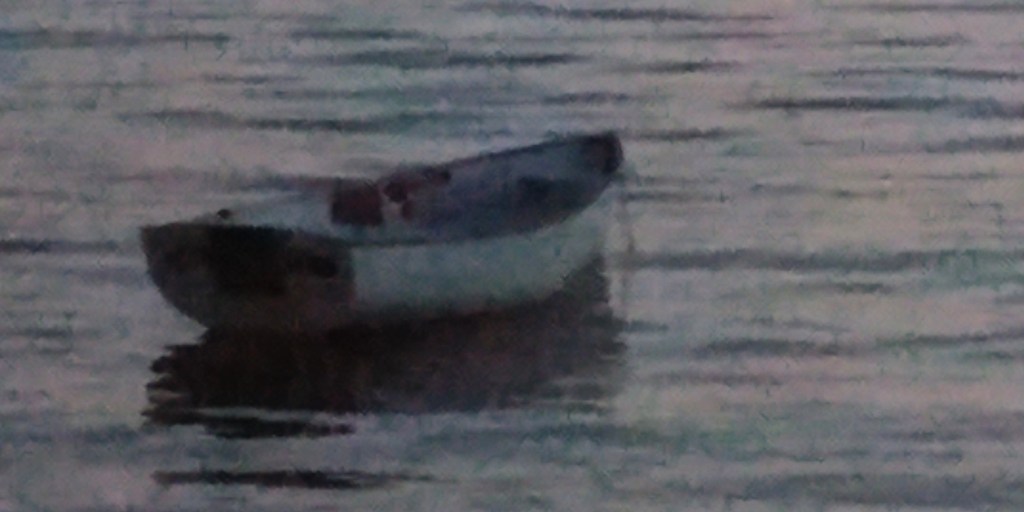
Technological limitations with the iPhone11Pro camera results in an opportunity to discover new expressions in an image. This image for example was made after dusk in low light. Phone cameras have a challenge recording images in low light conditions. This image of the dingy creates a mood that an exacting image made with my high end Nikon would not. The pixels are breaking up, the colors degraded, a technical issue called “noise” and there is a loss of sharpness. The result is that the image takes on a painterly look and creates a feeling that is moody and ambiguous.
Saudi Arabia has dunes, Kazakhstan has mountains, Kyoto has gardens, Iceland…well just about everything, Sarasota has skies
This time of year Sarasota has dramatic skies. Beyond the the beauty of nature there is an opportunity to experience in an elemental way the energy of connection between heaven and earth. Sometimes the clouds are dark and foreboding and even then behind the darkness there is light. Taking time to be present and take in the moment can be a teaching. Nature is the source.
We are feeling scattered and out of balance. The babel of voices: words, words and more words, promising this and that is a crazy making cacophony. The tsunami of numbers numb us and threatens to dehumanize this dreadful situation.
Seems that we are living in our own parable. A flu virus started in one place on the planet and within a short time it spread like a wildfire. Globalization is showing us how interconnected we are. Modes of travel make it possible for speedy transmission of a virus. Communication technology quickly spreads rumors and facts around the world. This creates more challenges and confusion. We try to sort things out, but this effort causes us more stress and leads to our feeling more out of balance. This is the dark side to our interconnectivity.
We do not have to be victims of this condition. Within us is the ability to regulate these influences. This new order of globalization makes possible another way of being with positive potential. Perhaps as no other time in history is it clearer that we share a universal connection. The challenge is, how can we find healthy ways to bring our relationships into balance?
Business leaders, companies, and politicians, do not and will not have the answer to this challenge.
The answer is simple and lies inside each of us. Do we want to live in a more aware and respectful way? Will we respect the laws of nature and each other? Will we have the desire to find stillness in the core of our being and create balance? Time will tell. As has happened in the past across many civilizations there comes a time when continuing to live in the same way no longer works, the order we perceive becomes shattered and out of balance.
If we take time to look within the current situation we’ll discover a light shining in this darkness that illuminates a new way. That light is our awareness, it is our respect for nature, each other and our shared unity.
Collectively we have created a globalized economy with profound interconnectivity and complexity. Surely we have the capacity to turn our abilities of intellect, calculation, and management of resources toward the goal of achieving balance through conscious connectivity.
A still point within the collective parts creates balance.
Our way of thinking does not cause calamities like the Covid-19 pandemic. The spread of the virus seems to be caused by international travel, lack of effective preventative actions: staying at home, distancing and sanitizing.
Understanding the link between our being and behavior can help us reset so we can live in a balanced way. Our way of thinking and being can help diminish disorders like the Covid-19 virus and future disruptions.
The individual rocks in the first image were organized with care, intention, and the idea of finding a still point whereby connection between each rock brings the group into balance. This metaphor may help us find a new way of being, individually and collectively. How can we live in relationship in a way that we support each other? How do we strengthen that still point within our core and create a balanced way of being individually and collectively?
There is no one answer, no single ideology. There will be many answers. What will organize the variety of ideas and connect them in a meaningful way is a new, more conscious way of being. The way we are, our being, will inform our behavior. As the age old cliche says, “Change starts with ‘me’.”
I’ve taken time to reflect on these ideas. Looking beyond the damage and death caused by Covid-19, I see an opportunity to reevaluate and understand how we got out of balance. By acknowledging that the way we are living together on the planet is out of balance, we can start a process of finding balance within our individual lives, and together.
Here are a few people I’ve found helpful as I search for balance in my life. They are offering knowledge and insights to us all for free. You may have resources you find helpful as you evolve toward a balanced way of living. I invite you to share them with me and I’ll repost them on this blog so we all may benefit. Thank you, Wayne Eastep